
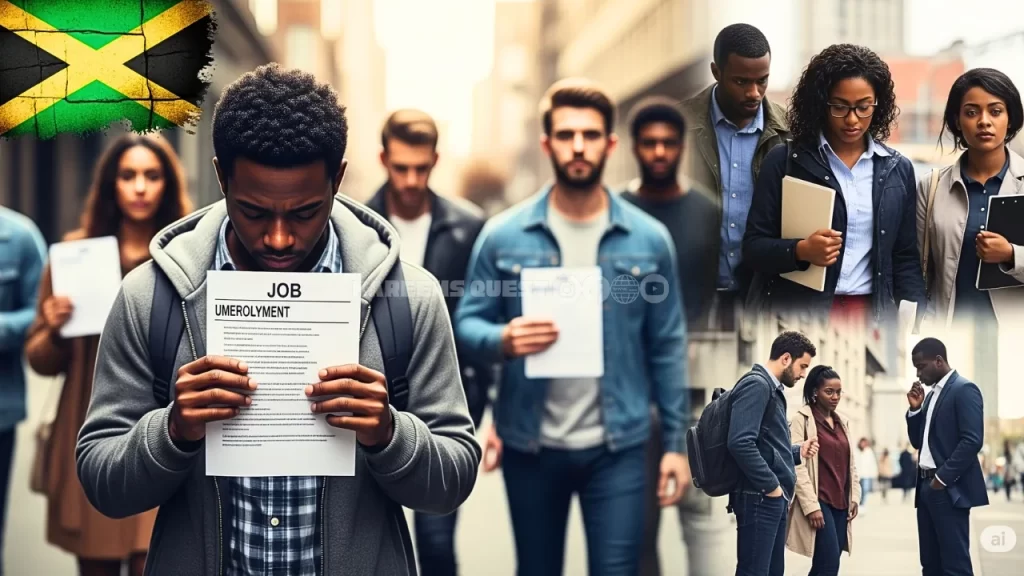
The year 2025 has ushered in a period of significant changes to US immigration policy, impacting prospective immigrants and current visa holders globally. These new regulations introduce heightened scrutiny and financial barriers, particularly affecting those from countries like Jamaica who seek to live, work, or study in the United States.

Increased Vetting and Screening
The US government has implemented a new executive order mandating enhanced vetting and screening for all foreign nationals entering the country. The directive aims to fortify national security by identifying individuals who may pose a threat or espouse ideologies deemed harmful to the United States. This has led to more rigorous background checks and, in some cases, prolonged administrative processing times for visa applications.
A notable development is the introduction of a new “anti-Americanism” screening. This policy empowers consular officers to scrutinise visa applicants’ public social media presence and other online activities for content that could be interpreted as critical of the US government, its institutions, or its founding principles. For Jamaicans, this means that every aspect of their digital footprint may be reviewed during the application process, necessitating careful consideration of their online public persona.
Another key change is the proposed review of up to 55 million non-immigrant visa holders currently in the US. The Department of Homeland Security (DHS) is proposing a new rule to limit the length of stay for certain visa categories, including students, to a fixed period, which would require re-screening and an extension application for a continued stay. This could lead to further complications and uncertainty for those already living in the US on a non-immigrant visa.
H-1B Visa Fee Elevated to $100,000
A major policy shift with profound implications for skilled professionals is the elevation of the H-1B visa fee to an annual US$100,000. This dramatic increase, implemented by presidential proclamation, is a move intended to deter companies from using the H-1B program for entry-level positions and to incentivise the hiring of US workers.
For Jamaicans seeking full-time employment opportunities in America, this fee poses a significant barrier. Most employment-based immigration pathways, including the H-1B visa, require a US employer to sponsor the applicant. The substantial new cost means that only the most highly skilled and specialised individuals, whose employers are willing and able to pay this steep fee, will likely be sponsored for such roles. This makes securing a work visa for those without exceptional skills or in non-exempted industries, such as healthcare and engineering, exceedingly difficult.
Implications for Specific Jamaican Demographics
Jamaicans Seeking to Migrate
For Jamaicans looking to migrate to the US, the new policies emphasise the importance of having a clear and well-documented case for eligibility. The increased screening and vetting mean that all application materials must be accurate and comprehensive. Any past issues, such as visa overstays or minor legal infractions, may be subjected to heightened scrutiny and could lead to application delays or denials. Given the rising barriers to legal immigration, the most viable pathways for many will remain family-based petitions, the Diversity Visa Lottery, or specific employment categories that are exempt from the new regulations.
Students Hoping to Transition to Citizenship
The journey from a student visa (F-1) to US citizenship is now more complex. While the Optional Practical Training (OPT) programme remains a common first step, the new administration’s proposed rule could limit the time students are allowed to remain in the US on their visa without additional screening. This change would require students to apply for extensions, subjecting them to regular assessments by the DHS.
For a student to transition to citizenship, they must first secure a path to permanent residency (a green card), typically through an employment-based visa like the H-1B or a family-based petition. The elevated H-1B fees make the employment-based route challenging, reinforcing the need for students to excel academically and professionally to secure sponsorship from a company that can afford the new costs. Alternatively, they may need to explore other visa options, such as the National Interest Waiver, if they are in a field of significant importance to the United States.
Marriage and Citizenship
Contrary to a common misconception, marrying a US citizen does not automatically confer citizenship. While it is a direct pathway to permanent residency, the process still requires a formal application. A spouse must be a lawful permanent resident (a green card holder) for at least three years, be living in a ‘marital union’ with their US citizen spouse, and meet all other statutory requirements before they can apply for naturalisation.
The new immigration landscape does not alter this fundamental process, but the increased scrutiny on all visa and residency applications suggests that fraudulent marriages will be a priority for enforcement. Applicants must provide substantial evidence of a genuine, continuing relationship. The process remains a series of steps and requires a valid marriage, not just a legal document.
Where to Seek Assistance and Clarity
Navigating complex immigration policies requires reliable and up-to-date information. For Jamaicans seeking clarity or assistance with the new US immigration regulations, several avenues are available:
- Official US Government Websites: The most authoritative sources for information are the official websites of the US Citizenship and Immigration Services (USCIS), the US Department of State, and the Department of Homeland Security. Always refer to these official sources first for accurate information.
- US Embassy in Kingston, Jamaica: The Consular Section of the US Embassy in Kingston is a primary resource for visa applicants in Jamaica. While they cannot provide legal advice, they offer guidance on application procedures and can address specific questions about visa eligibility and processing. Their official website should be consulted for appointment scheduling and contact information.
- Qualified Immigration Attorneys: For personalised advice and legal representation, consulting with a reputable immigration attorney is highly recommended. Lawyers specialising in US immigration law can assess individual circumstances, explain the nuances of the new policies, assist with complex applications, and represent clients in appeals if necessary. When selecting an attorney, ensure they are licensed and have demonstrable experience with US immigration matters.
- Reputable Non-Profit Immigration Organisations: Several non-profit organisations offer free or low-cost immigration services and legal aid. While many are US-based, some may have international outreach or online resources accessible to individuals in Jamaica. These organisations often provide workshops, clinics, and informational materials to help individuals understand their rights and options.
- Jamaican Government Agencies: Relevant Jamaican government bodies, such as the Ministry of Foreign Affairs and Foreign Trade, may offer general guidance or direct citizens to appropriate resources regarding international travel and migration. They can also be a point of contact for consular services for Jamaicans abroad.
It is crucial to exercise caution and avoid unofficial sources or individuals promising guaranteed outcomes, as immigration processes are complex and success depends on meeting strict criteria. Always verify information with official sources or qualified legal professionals.

Primary Sources
- Presidential Proclamation: The White House issued a proclamation on September 19, 2025, titled “Restriction on Entry of Certain Nonimmigrant Workers,” which details the new $100,000 fee for H-1B visas.
- Executive Orders: Several executive orders from the President address enhanced vetting, the Gold Card program for wealthy foreigners, and other broad immigration policies.
- Department of Homeland Security (DHS): The DHS has issued official statements and proposed rules, specifically one on August 27, 2025, about limiting the “duration of status” for foreign students and other non-immigrant visa holders to a fixed period.
- U.S. Citizenship and Immigration Services (USCIS): USCIS has announced changes to the naturalization civics test and other policies related to citizenship applications, including a stricter review of the “good moral character” requirement.
- U.S. Department of State: The State Department has issued new guidance on visa processing, including the elimination of interview waivers for most applicants and the new requirement for applicants to apply for a visa in their country of residence or nationality.
Full episode on this topic
Do you want more Kareem’s Quest content?