
Newcastle: Jamaica’s Mountain Escape & Military Past

Whenever I crave a respite from the ‘hustle and bustle’ of Kingston, a drive into the hills is my ultimate escape. The road, though winding, offers a therapeutic journey, canopied by towering trees and punctuated by stops for authentic Blue Mountain coffee at charming spots like Middleton Coffee Cafe Bar. It’s a journey that perfectly embodies the spirit of adventure that KareemsQuest.com champions.

Quick Facts:

Who is it for: History enthusiasts, nature lovers, hikers and bird watchers.

What it is NOT: A bustling tourist attraction with multiple commercial spots.

Tip: Go early in the morning for the clearest views, as the mountains often get overcast by midday. Also, consider blowing your horn on winding, narrow roads.

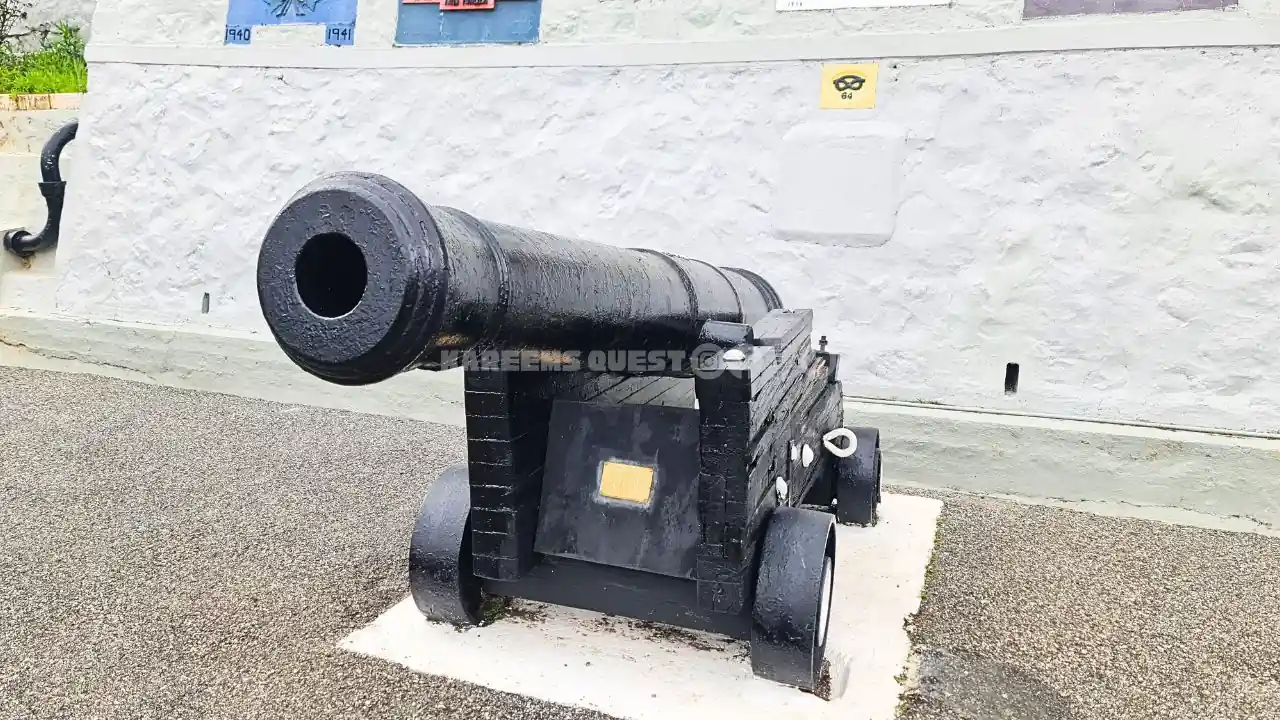
What stands out: The historic barracks architecture, the non-functional cannon, and the display of regimental badges.

What to carry: Layered clothing, comfortable walking shoes and cash for local purchases.

What is it similar to: Some of the trails remind me of my visit to the Cockpit Country.

This ascent leads to Newcastle, a site of profound historical significance and striking natural beauty nestled within the majestic Blue Mountains. While it primarily serves as a training facility for the Jamaica Defence Force (JDF) today, Newcastle is also a compelling destination for visitors, offering a unique blend of military heritage, panoramic views, and access to some of Jamaica’s most incredible hiking trails. 

A Glimpse into the Past: 

Newcastle’s existence is a direct consequence of a dire health crisis during the British Colonial Era during the 1840s.

The Yellow Fever Crisis: British troops stationed in the lowlands (like Up park Camp) of Jamaica faced a devastating foe: yellow fever. According to Who.com, Yellow fever is an epidemic-prone mosquito-borne vaccine preventable disease that is transmitted to humans by the bites of infected mosquitoes. Many of these soldiers, born and raised in Great Britain, were Caucasians, presenting a stark physical contrast to the predominantly Black Jamaican soldiers who comprise the JDF today. They lacked immunity to tropical diseases, and yellow fever ravaged their ranks, leading to significant fatalities. The British army at the time was engaged in various conflicts globally, and Jamaica played a strategic role as a colonial outpost and military base. Maintaining a healthy fighting force was paramount.

Major General Sir William Maynard Gomm’s Vision: It was Major General Sir William Maynard Gomm who spearheaded the innovative solution. Recognizing the correlation between altitude and health, he initiated the establishment of a mountain station to combat the disease. He observed that high-altitude environments were less conducive to the spread of yellow fever.

Construction and Early Years:
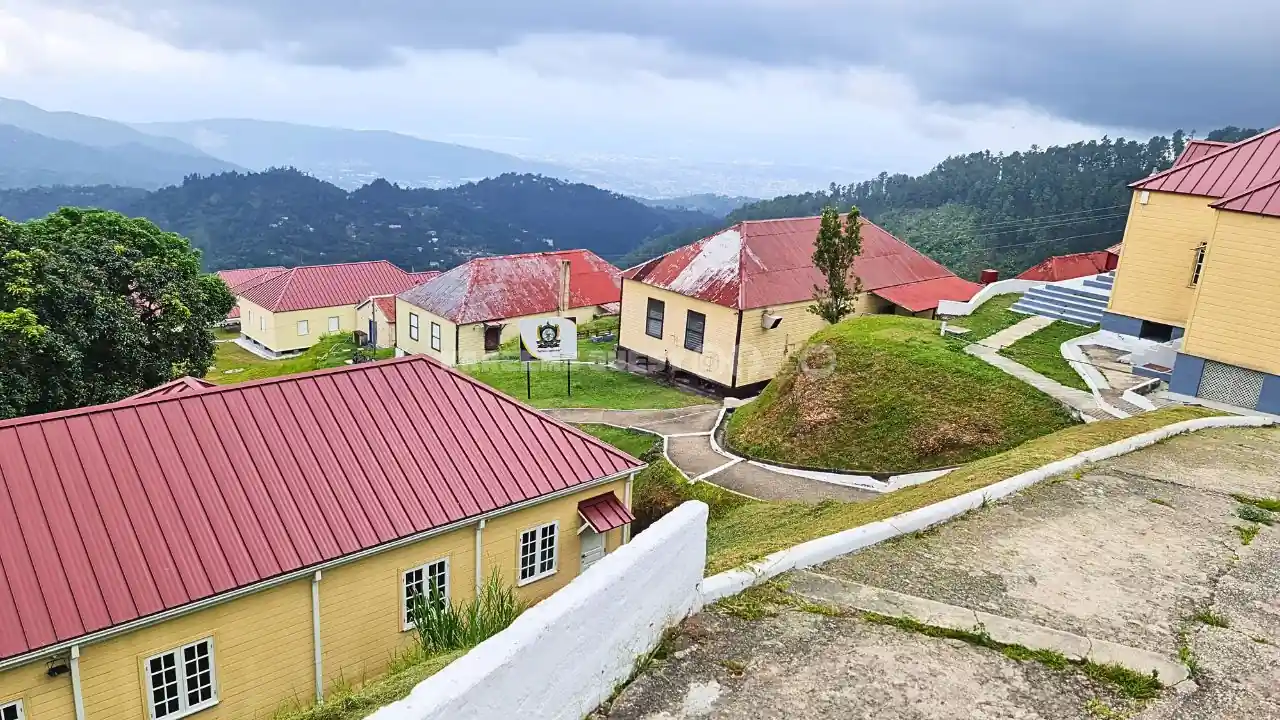
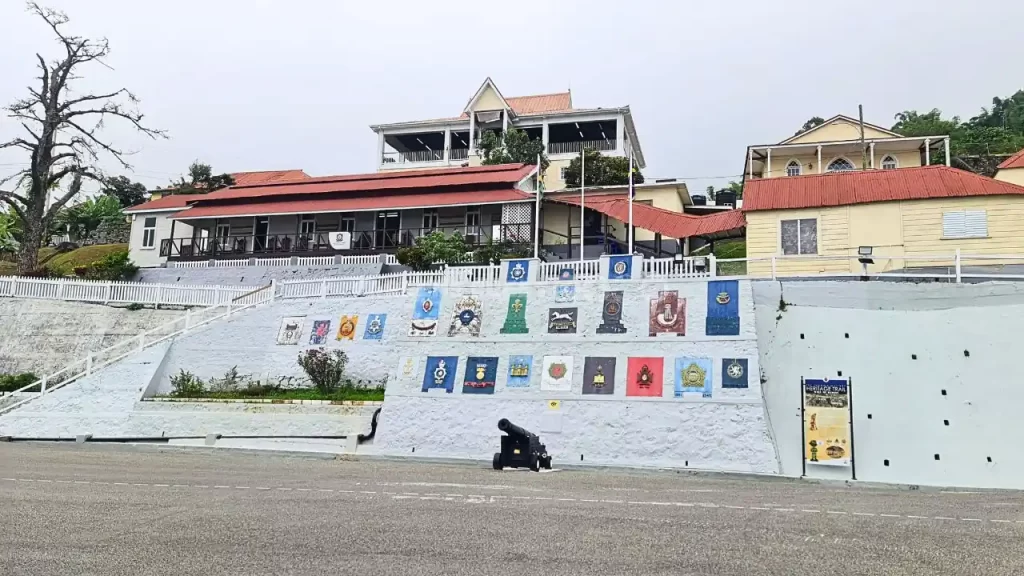
Construction of the barracks at Newcastle began in the mid-19th century. The objective was to provide a “change-of-air camp” where troops could recover and train in a healthier climate. The immediate positive impact on troop health was undeniable, with a significant reduction in disease incidence. The site quickly became a vital part of the British military presence in the Caribbean. A striking reminder of this colonial past is the collection of regimental badges proudly displayed on the parade ground wall, each representing a unit that once served here. These colourful insignia offer a visual narrative of the diverse military presence throughout Newcastle’s history.

Transition to Jamaican Ownership (Post-Independence): Following the dissolution of the West Indies Federation, where Newcastle served as a training depot for the Federal Defence Force, the site transitioned to Jamaican ownership. With Jamaica’s independence in 1962, Newcastle was officially transferred to the Jamaican government. Since then, it has continued its legacy as a vital military establishment, serving as the primary training centre for the Jamaica Defence Force.

A Blend of Military Life and Natural Beauty

Today, Newcastle remains an active military installation, offering a fascinating blend of ongoing JDF operations and the serene beauty of its natural surroundings.

The JDF Presence: It is important for visitors to remember that Newcastle is a live military base. While the JDF is welcoming to visitors, respectful observation is key. Visitors should adhere to any guidelines or instructions given by military personnel and observe any drills or training exercises from a distance, ensuring not to interfere with ongoing operations.

Scenic Beauty and Atmosphere: Situated at a considerable elevation in the Blue Mountains, Newcastle boasts a consistently cool climate, a welcome relief from the warmth of the lower land. Lush vegetation surrounds the historic barracks, with their distinctive yellow walls and red roofs, creating a harmonious architectural landscape. The parade ground, with its prominent non-functional cannon, serves as a central point, exuding a sense of order and history. 

It is also worth noting that Newcastle has previously played host to the Jamaica Blue Mountain Coffee Festival, displaying its suitability as a venue for celebrating local culture and produce amidst its splendid setting.

Attractions for Visitors

The Parade Ground and Regimental Badges: The parade ground is not just an open space; it is a historical canvas. The carefully arranged regimental badges on the retaining wall provide a colourful and informative display, inviting visitors to ponder the stories of the soldiers who once marched here. The black, non-functional cannon at its base stands as a silent sentinel, a tangible link to the past.

Panoramic Views of Kingston and Beyond: From various vantage points within Newcastle, visitors are treated to truly breathtaking panoramic views. On a clear day, the entire city of Kingston sprawls out below, a miniature cityscape against the backdrop of the distant Caribbean Sea. The sheer scale of the landscape is awe-inspiring, offering a unique perspective of the island.

Access to Hiking Trails: Beyond its historical appeal, Newcastle serves as a fantastic gateway to the wider Blue Mountain National Park. For avid hikers and nature enthusiasts, it’s an ideal starting point for exploring the diverse flora and fauna of the region, including prime spots for bird watching, which has become incredibly popular. Popular trails nearby include Catherine’s Peak and sections of the Holywell trail. These paths offer opportunities to discover hidden waterfalls, rare plant species, and an abundance of birdlife. For hikers, it’s essential to come prepared with appropriate gear, including sturdy footwear, and to consider engaging a local guide for longer or more challenging trails. Permits may also be required for certain sections of the park.

Serene Environment for Relaxation: For those seeking a less strenuous experience, Newcastle provides a wonderfully serene environment for simply relaxing. The cool air and peaceful surroundings make it an ideal spot for a picnic, quiet contemplation, or simply savouring the fresh mountain air.

Planning Your Visit to Newcastle

Location and Accessibility: Newcastle is conveniently located in the Blue Mountains, accessible from Kingston. The most common route is to travel through Papine, then onto Gordon Town Road, and finally through Irish Town. While the journey is undoubtedly scenic, be prepared for winding and narrow roads. I would recommend an SUV for the journey, though a sedan can also navigate the route with care. It is crucial to blow your horn as a warning when approaching blind corners, as the roads are narrow and visibility can be limited.

Best Time to Visit: The earlier you arrive, the better the views. The Blue Mountains can become overcast quite early, often by midday, obscuring the panoramic views. Visiting in the morning offers the clearest skies and best photographic opportunities.

Essential Tips for Visitors:

  • Dress Appropriately: The temperature in the mountains can vary, so layered clothing is advisable.
  • Footwear: Comfortable walking shoes are a must, especially if you plan to explore the grounds or venture onto nearby trails.
  • Food: Consider supporting the small local shops along the way, as they do not always experience a lot of commerce.
  • Respect for the JDF: Always be courteous and adhere to any rules or instructions from military personnel.
  • Photography: Be mindful of restricted areas if any, and always ask for permission if unsure about photographing specific areas or individuals.

Nearby Attractions: For those extending their trip, nearby Holywell National Park offers further hiking opportunities, and a stop at the Middleton Coffee Cafe Bar on the way up or down is highly recommended for an authentic Blue Mountain coffee experience.

Newcastle in the Blue Mountains of Jamaica truly offers a distinctive experience, blending a compelling military past with the captivating beauty of its natural surroundings. Its role in combating disease in the 19th century, its transition to a key training facility for the Jamaica Defence Force, and its appeal as a tourist destination for hikers and nature lovers make it a multi-faceted location. The grand buildings, the historic cannon, and the vivid display of regimental badges all speak to a rich history that continues to evolve.

How long does it take to get to Newcastle, from these central points:

  • Kingston (Norman Manley International Airport): 2 hrs, 4 mins
  • Montego Bay (Sangster International Airport): 4 hrs, 30 mins
  • Ocho Rios: 2 hrs, 30 mins
  • Negril: 6 hrs

Watch the latest Kareem’s Quest Podcast videos on YouTube, click the link below

Watch the latest Kareem’s Quest videos on YouTube, OR follow us on Google, Facebook, or Instagram. You can also read more interesting stories at the bottom of the page.

Follow Kareem’s Quest

Create your own adventure

Craving your own Jamaican escape? Head over to our TOUR PAGE to connect with Kareem’s Quest! We can help you plan your itinerary, find the perfect hotels and adventures, and ensure you experience the authentic side of Jamaica. Get ready to fall in love with Jamaica, mon!

Leave a Comment

Your email address will not be published. Required fields are marked *

Scroll to Top