
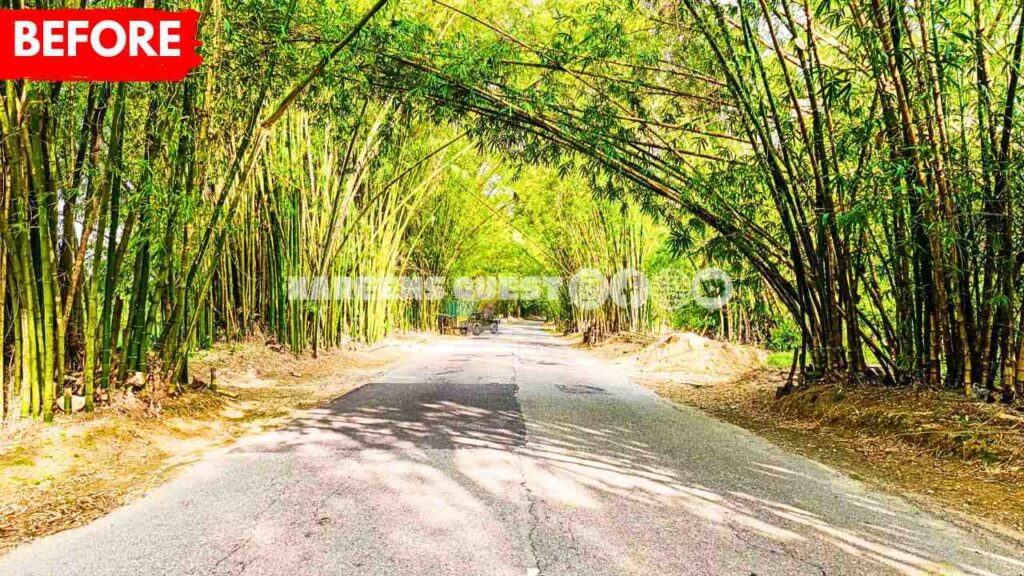
The image is instantly recognizable to anyone who has driven Jamaica’s South Coast: a majestic, two-and-a-half-mile tunnel formed by towering bamboo stalks, a natural green archway filtering the intense St. Elizabeth sunlight. This stretch, universally known as Holland Bamboo or Bamboo Avenue, has long been a serene marker on the journey between Middle Quarters and Lacovia.
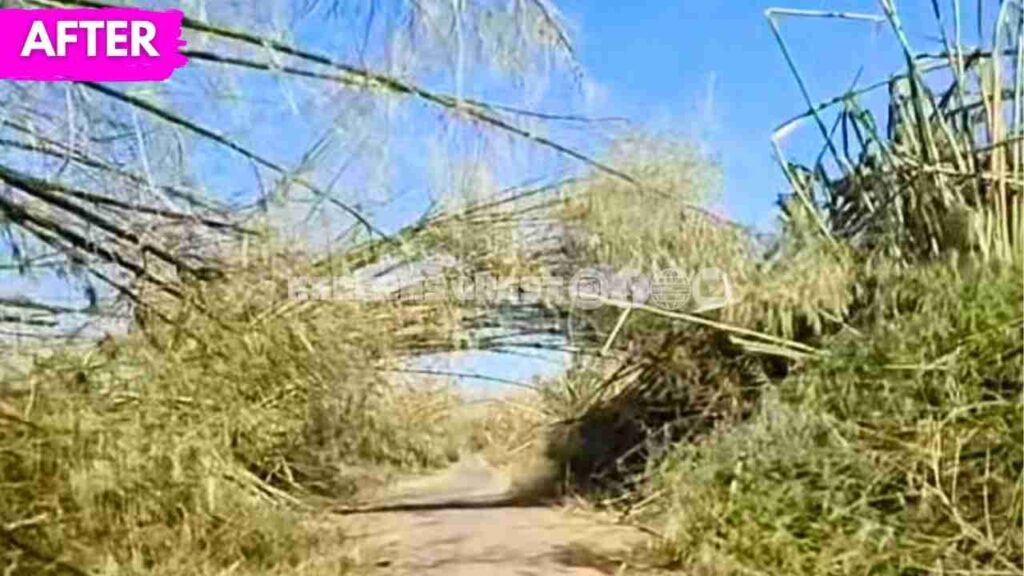
Today, that image of tranquility is irrevocably altered. A massive tangle of snapped culms and debris blocks large sections of the thoroughfare. This is not simply a picturesque landmark damaged by a powerful storm; it is the critical artery leading directly into the communities most devastated by Category 5 Hurricane Melissa transforming a scenic drive into a vital, compromised lifeline.
The Green Tunnel
The history of Holland Bamboo is deeply rooted in the island’s colonial era. The land was part of the vast Holland Estate, a significant sugar plantation. Local historical accounts suggest the bamboo (the Bambusa vulgaris species) was planted as early as the 17th or 18th century. Its original purpose was functional: to provide necessary shade and cooling relief for travelers—both enslaved Africans and plantation owners—moving along this key trade route to settlements like Black River and Lacovia.
Over centuries, this pragmatic infrastructure grew into an iconic Jamaican heritage site. Protected under the Public Gardens Regulation Act, the avenue became a symbol of the rural charm and natural beauty of St. Elizabeth. Before the Category 5 Hurricane Melissa, it was arguably the most photographed road in the Caribbean, serving as a peaceful gateway for travelers exploring the island’s South Coast attractions. For a deeper look at the island’s history with major weather events, see our report on Jamaica’s most devastating hurricanes.
An Immediate Crisis
Beyond its aesthetic appeal, Holland Bamboo supports a crucial micro-economy. Numerous small-scale vendors line the route, relying on the steady stream of local commuters and Jamaica travel tourists. Their stalls offer authentic roadside fare, including fresh coconut water and coconut jelly, local snacks, and celebrated spiced salted peanuts. The daily traffic provides immediate sustenance for these vendors and their families.
The overall impact extends beyond the main thoroughfare, affecting the wider St. Elizabeth business ecosystem, including popular local establishments like Nola’s Event.
The debris and logistical constraints following Melissa represent an immediate economic disaster for this community. With traffic severely reduced, intermittent, or rerouted entirely, the primary source of income for these small business owners vanished overnight. The loss of livelihood adds a human dimension to the infrastructural damage, illustrating the fragile economic dependency on this single roadway.
The Day the Canopy Fell
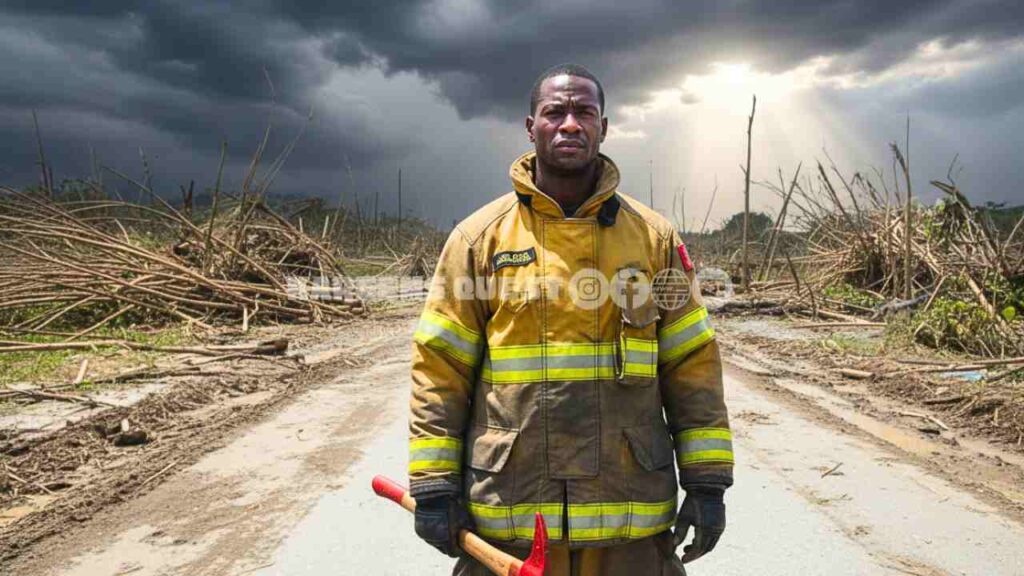
Hurricane Melissa, one of the most powerful cyclones to impact the island, made landfall as a Category 5 Hurricane. Its sheer force did not just strip leaves; it snapped the sturdy bamboo stalks, bringing the entire overhead canopy crashing down. The result was a transportation crisis: the main road was rendered impassable for days, buried under massive piles of bamboo, sand, and flood residue.
Initial assessments, reported by news outlets like The Gleaner, indicated that the hardest-hit areas in the parish were left in a state of catastrophe. The immediate priority became clearing the debris from this vital corridor to allow assistance to reach the affected populations.
The Critical Artery to Ground Zero
The challenge facing government crews and contractors is immense. Clearing the main road in the Holland Bamboo area has proven particularly difficult. Transport Minister Daryl Vaz noted that the debris was compounded by significant flooding, dramatically slowing cleanup efforts. Crews have reported sections of the road buried under several feet of sand adjacent to the coastline.
The result is a logistical nightmare characterized by persistent single-lane traffic where aid convoys and heavy equipment must inch past one another. The avenue, which ordinarily facilitates smooth movement across the parish, has become a major bottleneck. The devastation is especially heartbreaking for Black River, known not just for its history but for eco-tourism attractions like the Black River Safari.
This route is the most direct and indispensable access point to what is being called “ground zero” of the devastation in the South West: the historic coastal town of Black River. Aid, medicine, food, and emergency personnel all depend on this avenue for entry into the hardest-hit communities of St. Elizabeth. The rebuilding of the town and surrounding areas hinges on the restoration of full access through the fallen canopy. For information on recovery efforts, you may visit the government’s website for assistance.
Resilience and the Road Ahead
The long-term recovery of the Holland Bamboo stretch presents a unique dilemma: balancing the urgent need for a fully functional, two-lane road for economic recovery against the preservation of a protected heritage site.
The bamboo species itself is known for its remarkable resilience and rapid growth. As the physical clearing continues, the community faces the monumental task of rebuilding infrastructure and livelihoods. The story of Holland Bamboo will shift from one of natural elegance to one of functional, determined resilience—a reflection of the people of St. Elizabeth themselves. This recovery effort is perhaps the most significant since the devastation of Hurricane Gilbert.
Share your thoughts and perspectives in the comment section below.