
I recently stepped into the Falmouth Artisan Village, and it hit me how much of the town’s character I’ve been overlooking while driving past on the main road. Falmouth is a cruise ship stop, but more importantly, it is a living museum that smells of salt air and frying fish, anchored by a history that once dictated the price of global commodities.
As I walked toward the coastline, the “old English” atmosphere was unmistakable. Directly across from the town library, I watched fishermen hunched over their colorful boats, methodically cleaning nets and scaling the morning’s catch. It’s a quiet, daily ritual that happens in the shadow of some of the most significant 18th-century buildings in the Caribbean. To make the town more accessible to those of us traveling by car, a clear sign has been erected along the main road at one of the primary entrances, marking the gateway into this historic pocket of Trelawny.
The Rise of the “Paris of the Indies”
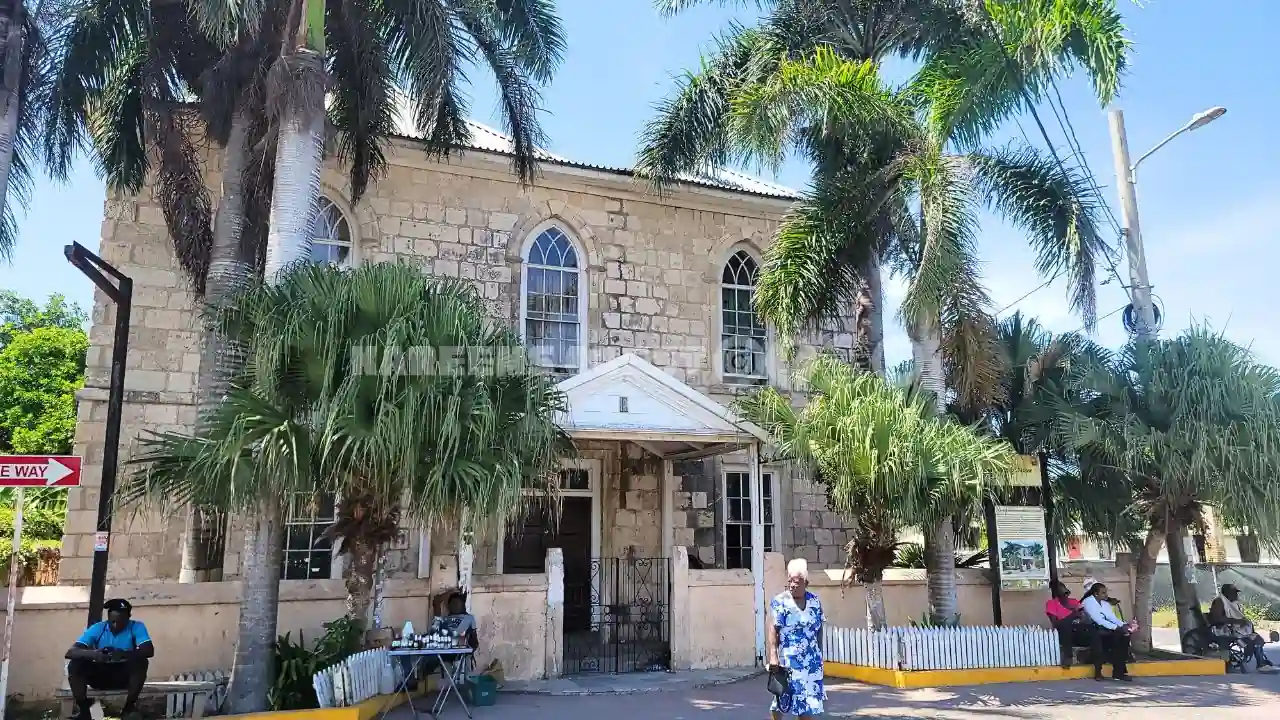
In the late 1700s, Falmouth was so wealthy and cosmopolitan it earned the nickname “Paris of the Indies.” Walking through the grid-like streets today, you can still see why. It remains the best-preserved Georgian town in the Caribbean, a result of meticulous planning by Edward Barrett in 1769. Unlike other coastal towns that grew haphazardly, Falmouth was designed with broad streets and a functional layout to support its status as a global trade powerhouse.
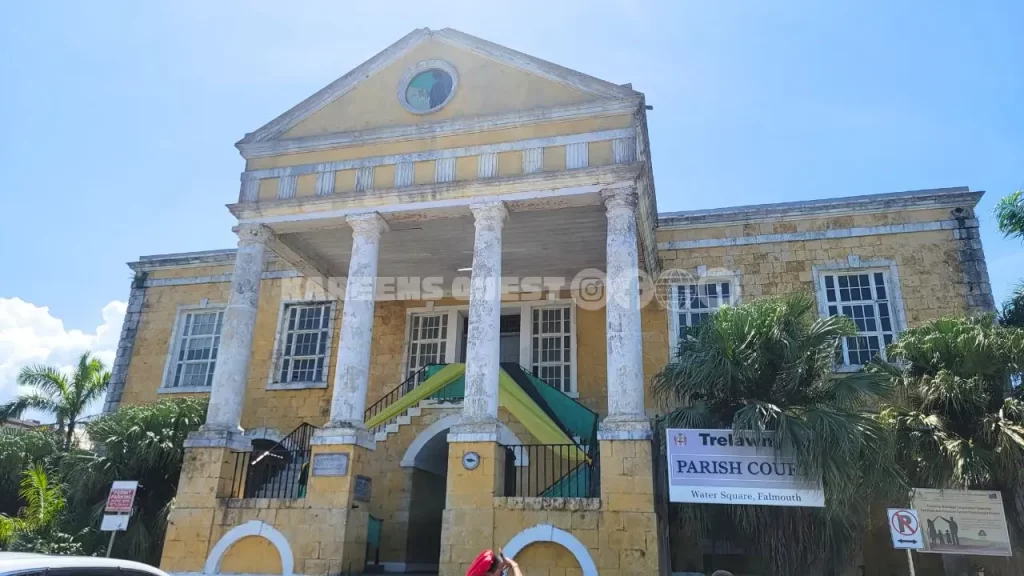
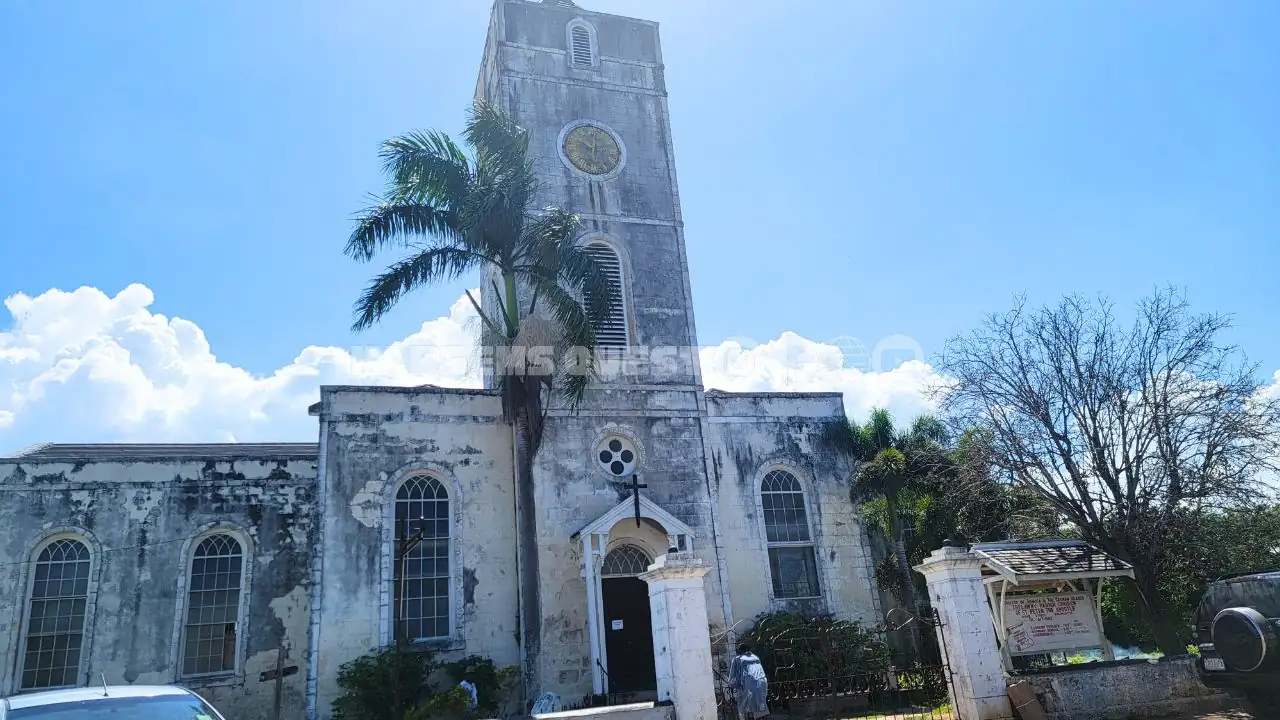
The Falmouth Court House stands as a grand centerpiece, though the original was destroyed by fire and rebuilt with the same imposing elegance. Nearby, St. Peter’s Anglican Church—one of the oldest on the island, built in 1795—reminds you of the town’s colonial peak. Inside, the mahogany carvings and memorial tablets tell the stories of the merchant families who once dominated the sugar trade.
There is a gritty irony to the beauty here; the wealth that built these brick and timber structures came from the sugar boom, fueled entirely by the transatlantic slave trade. Falmouth was a primary port of entry for captive Africans, and the very cobblestones under your feet were often ballasts from ships that arrived to take sugar back to Europe.
Yet, the town also echoes with the voices of resistance. I spent some time outside the former Baptist Manse, once home to the legendary abolitionist Rev. William Knibb. He used his pulpit and his home as a base to champion the end of slavery, eventually seeing the emancipation he fought for in 1838.
One technical feat that always surprises visitors: Falmouth had a sophisticated water system by 1799. Using a massive water wheel on the Martha Brae River, the town pumped fresh water directly to its residents, making it the first town in the Western Hemisphere to have running water—beating out New York City and Philadelphia.

Flavors and Famous Faces
You can’t talk about Falmouth without mentioning its most famous son, Usain Bolt. The speedster grew up in the hills of Trelawny, fueled by the local yams that the parish is famous for. That same local energy is found in the town’s “Bend-down Market.”
If you visit on a Wednesday, be prepared for a crush of people. It’s a sensory overload of shouting vendors, piles of yellow yam, and the sharp scent of scotch bonnet peppers. It’s called “Bend-down” because, traditionally, goods were spread on the ground, requiring shoppers to stoop to find the best deals.
For a deeper dive into the area’s spirit (literally), a trip to the Hampden Estate is essential. It’s one of the oldest distilleries in Jamaica, operating since 1753. The heavy, funky aroma of fermenting molasses—known as “dunder”—hangs thick in the air, a scent that has defined Trelawny for centuries.
Adventure Around Every Corner
While the town center is a historical goldmine, the outskirts offer some of the best excursions on the island. For those looking to stay in luxury, Royalton Blue Waters provides a modern contrast to the old-world town. For a central spot that can get you to any near-by excursions, Villa on the Rocks is a fantastic option.
Here are the spots that make this parish a hub for explorers:
- Luminous Lagoon: At night, the water at Glistening Waters turns a neon blue when disturbed. Microscopic organisms called dinoflagellates create this glow, and the lagoon at the mouth of the Martha Brae is one of only four places in the world where it occurs year-round.
- Martha Brae River: A slow drift on a 30-foot bamboo raft is the ultimate way to decompress. Make sure to ask for the traditional limestone foot massage while your captain narrates the legend of Martha Brae, a Taino witch who supposedly hid a gold mine from Spanish explorers.
- Jamaican Swamp Safari: This spot is famous for its crocodiles and was even featured in the James Bond film Live and Let Die. You can read more about my visit to the Swamp Safari here.
- Day Trips: Falmouth can be your starting point to head to The Blue Hole in Ocho Rios and the iconic Dunn’s River Falls.
- Green Grotto Caves: These limestone caves have served as a hideout for Tainos, Spanish soldiers fleeing the British, and runaway slaves. You can read about the underground lake here.
Falmouth is a place where the past is in the crumbling brickwork, the fisherman’s call, and the steady flow of the Martha Brae. It’s a town that demands you slow down and look closer at the foundation of Jamaican society.