
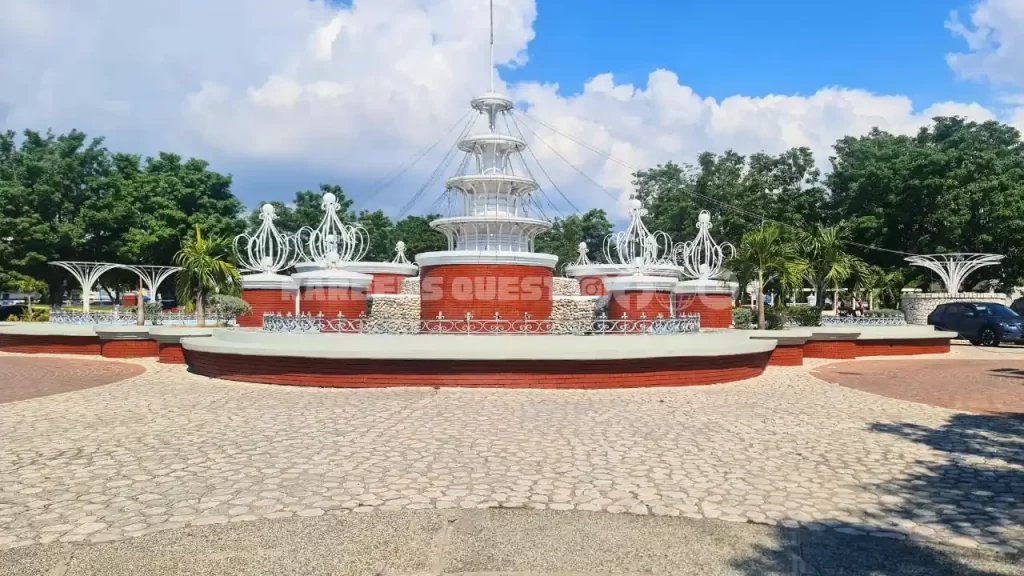
The asphalt on King Street feels different when you know what used to breathe beneath it. Standing at the corner of Barry Street today, it is hard to imagine that this was once the undisputed luxury capital of the Caribbean. For those of us at KareemsQuest.com, documenting the island is about peeling back the layers of what we’ve forgotten.
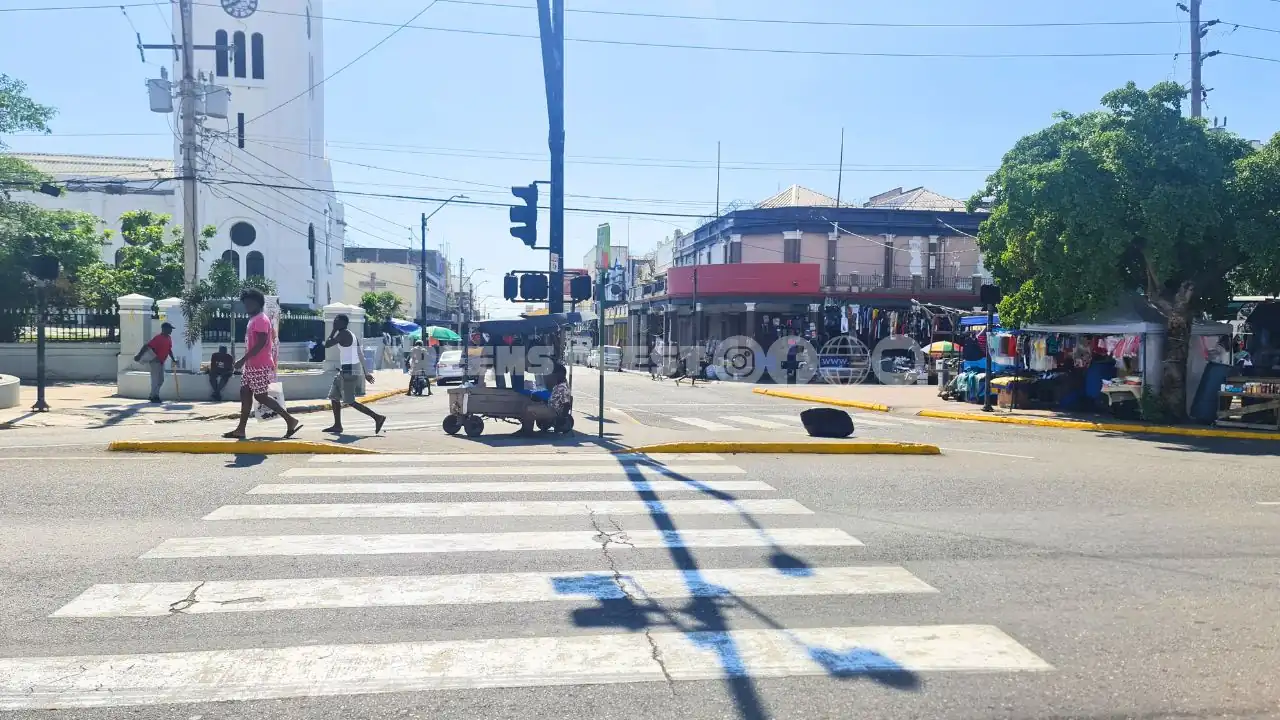
There was a time when “going to town” required your Sunday best. It was a place of polished brass, clicking heels, and the smell of expensive imported perfumes.

From Commerce to Culture
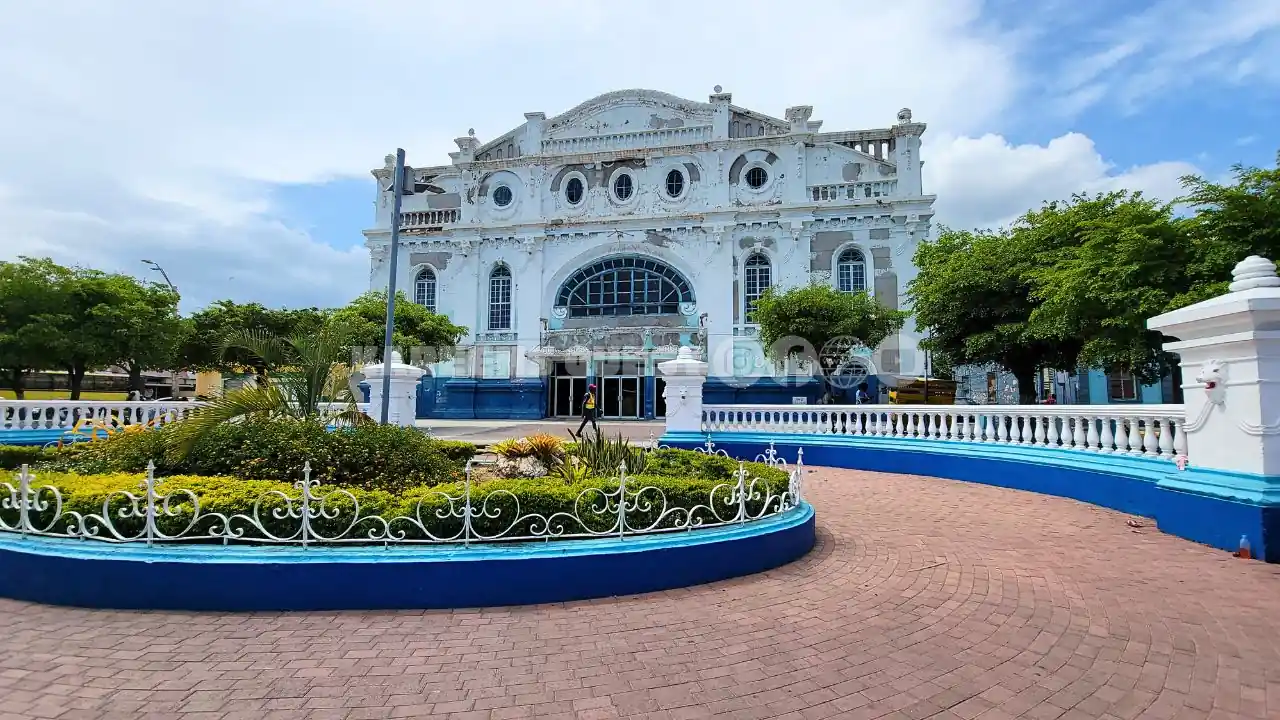
The weekly rhythm of Downtown was predictable and vibrant. Saturdays were dedicated to the hustle of shopping, while Sundays belonged to the Ward Theatre. The Ward was the home of the National Pantomime, where icons like Louise “Miss Lou” Bennett and Ranny “Maas Ran” Williams turned folklore into high art.
Nearby, the Coke Methodist Church stood as a neo-Gothic reminder of resilience, while adjacent to Stg. William Grant Park was the famous JOS bus terminus. In those days, passengers lined up in an orderly fashion to embark on the legendary Jolly Joseph buses. The famous “No. 1” bus was a staple, ferrying passengers from the heart of the city out to Harbour View.
The Hub of the Island
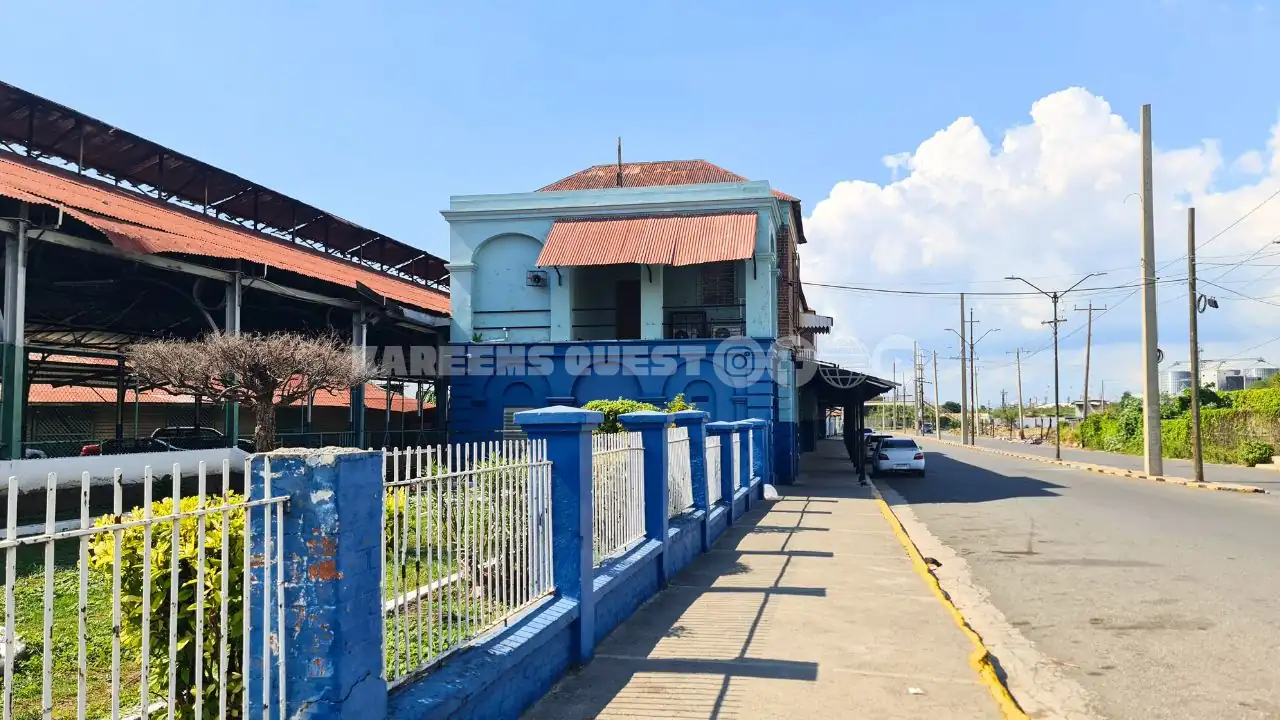
The heartbeat of Downtown was amplified by the Jamaica Railway Corporation station. For over a century, this was the central nervous system of the country. For those taking the long journey from Kingston to Montego Bay, the ride was rarely silent. There was a high possibility you would encounter the preacher known as “Bun Up.” With a Bible firmly in hand, he would preach at the top of his voice for the entire duration of the trip, his fiery sermons becoming as much a part of the journey as the landscape itself.
However, by 1992, the tracks went quiet. Massive financial losses and the rise of road competition ended public passenger service, taking a specific kind of energy away from the city.
The Shift Uptown
The decline wasn’t an accident. The 1970s brought a period of intense political upheaval and violence that physically scarred the city’s landscape. Business owners began to look toward real estate in the north, transforming them into the commercial hubs we now know as New Kingston and Half Way Tree. The exodus was swift, leaving the once-pristine King Street to transition into a space of informal vending and neglected facades.
A Modern Second Act
Despite the scars, the tide is turning. The Kingston Creative Artwalk has turned the Water Lane area into a massive outdoor gallery. Modern anchors like the ROK Hotel and the Ocean 7 Sky Bar are bringing back a sense of downtown luxury, offering views of the harbor that remind us why the city was built here.
A typical example of its potential rebirth are three young entrepreneurs who have opened a restaurant, Waah Gwaan Cafe in the heart of the district, betting on the same streets that the giants of the past once walked. They are selling food and reclaiming a piece of the glory days.
What is the one place or memory that always comes to mind when you think of ole-time Downtown? Leave a comment below.




Very interesting, I like it
you’re welcome