
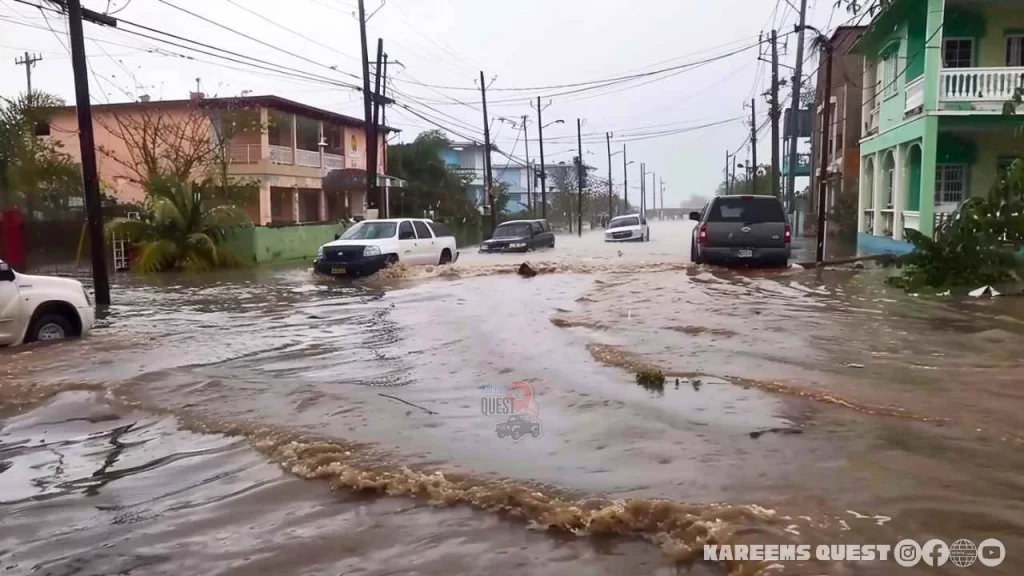
As of late October 2025, the island nation of Jamaica faces an immediate and potentially catastrophic threat from Major Hurricane Melissa, which has undergone extreme rapid intensification in the Caribbean Sea. Currently tracking as a powerful Category 4 hurricane with maximum sustained winds of 140 mph, Melissa is centered approximately 110 to 120 miles south-southeast of Kingston. Forecasters at the U.S. National Hurricane Center (NHC) warn that the storm could have a direct strike on the southern coast of Jamaica late Monday or early Tuesday. The most dangerous factor remains the storm’s extremely slow, crawling westward movement at only 3 to 5 mph, which is anticipated to prolong the duration of severe, multi-day impacts across the island, bringing catastrophic winds and torrential rainfall through midweek.
Jamaican authorities have issued a Hurricane Warning for the entire island and have urgently mobilized national resources in preparation for what Prime Minister Andrew Holness described as preparing “for the worst while hoping for the best.” Forecasters warn of life-threatening and catastrophic flash flooding and landslides resulting from predicted rainfall totals that could range between 15 to 30 inches in eastern parishes, with local maxima up to 40 inches possible. Furthermore, a dangerous storm surge of 9 to 13 feet is possible along the southern coastline near the expected landfall point. In response, over 650 emergency shelters have been activated nationwide, and the Norman Manley International Airport in Kingston has been closed as officials urge residents to heed evacuation orders and complete all preparedness measures immediately.
The Ritual of Preparation
In Jamaica, the approach of a storm is marked by distinct, shared experiences. The first sign isn’t the rain; it’s the specific items that vanish from supermarket shelves. The grocery cart of every family, rich or poor, suddenly looks identical: tinned corned beef, sardines, crackers, and bottled water. Bread, a daily staple, becomes a luxury, sold out hours after the storm watch is posted. It is a predictable, nervous rush fueled by the knowledge that once the storm hits, access to these basic goods will be impossible.
Beyond the supermarket, the work becomes physical. Homeowners in rural and suburban areas alike are out assessing their properties. The danger of a tall ackee or mango tree turning into a dangerous projectile cannot be ignored. The familiar sound of hammering echoes across neighbourhoods as plyboard is secured over glass windows, and loose zinc sheets are battened down on roofs.
Institutions move swiftly. Schools, which double as essential refuge centers for coastal residents, close immediately. The Jamaica Public Service (JPS) prepares to execute its safety protocol: a preemptive island-wide power cut if winds cross a certain speed. This is not a punishment, but a safety measure designed to protect citizens from live wires and allow for safer restoration work afterward.
The Flooding Threat in the Corporate Area
While wind damage often dominates the headlines, the real concern for many Kingston residents is water. The capital’s infrastructure, particularly its drainage system, is quickly overwhelmed by intense rainfall. Prolonged rain, such as the 5 to 10 inches expected from Melissa, guarantees significant flooding.
For many living in the Corporate Area, this means roads become impassable trenches, turning everyday routes into hazards. The water often mixes with debris from choked gullies, turning neighbourhoods into muddy lakes. This recurring issue highlights the constant, difficult challenge of maintaining urban infrastructure against the force of nature.
Geography’s Weak Points: Landslides and Agriculture
The island’s topography, so beautiful to visitors, presents serious challenges during a heavy storm. Rain saturated hillsides are unstable, leading to the recurring, devastating problem of landslides. Communities become cut off, and main roads are compromised. Areas like Gordon Town and sections of Irish Town in St. Andrew, or the Bog Walk Gorge and the roads leading through Junction in St. Mary, are consistently flagged as hotspots where road blockage is virtually guaranteed.
The impact on the agricultural sector is almost instant. Farmers watch helplessly as years of investment in cash crops, especially tree crops, are destroyed within hours. The destruction of farming communities has an immediate ripple effect on the national economy and, specifically, on our cost of living. When Coronation Market reopens, the price shock is immediate—a direct result of Melissa’s passage.
Furthermore, water supply becomes compromised. Power outages cripple National Water Commission (NWC) pumping stations, leading to widespread water lock-offs post-storm. Worse, when the mains are damaged or contaminated by mudslides, the water quality suffers, making clean drinking water a critical concern long after the rain stops.
The Shadow of Past Storms
Jamaica’s response to Melissa is not fear; it is muscle memory developed through hardship. Two storms stand out as benchmarks for disaster and recovery.
The Ghost of Gilbert (1988)
Hurricane Gilbert is the reference point for national devastation. It “ravished the island,” destroying or damaging 75% of our housing stock. This experience fundamentally reformed how the island prepares, giving new urgency and focus to ODPEM (Office of Disaster Preparedness and Emergency Management) protocols. Back then, before cable and digital feeds, everyone relied on the voice of Roy Forrester on JBC radio for every single weather update—a collective memory of hanging onto every word he spoke. Gilbert taught the country the hard lesson that preparedness is non-negotiable.
The Recent Scars of Beryl (2024)
More recently, Hurricane Beryl provided a sharp, painful reminder of our remaining vulnerabilities. The hurricane severely impacted parishes like St. Elizabeth. The most memorable challenge from Beryl was the struggle for electricity restoration. Residents in some parts of St. Elizabeth went without power for weeks, creating economic havoc, spoiling food stocks, and testing the limits of communal endurance. It demonstrated that while we have plans, the sheer scale of modern storm damage can still overwhelm our power grid.
Resilience is the Routine
As Tropical Storm Melissa inches closer, the people of Jamaica are not panicking; they are executing a necessary, painful routine. This cycle of preparation—fueled by the historical lessons learned from Gilbert’s wrath and Beryl’s lasting disruption—is the core of the island’s defense. The tools we use today, from the JPS protocols to the network of community shelters, are the direct result of having survived worse.
We urge all residents and visitors to follow every advisory issued by ODPEM and the Meteorological Office. Staying informed and completing your preparations is the truest act of Jamaican resilience.
For information on how to stay safe during a hurricane and what to pack in an emergency kit, please see our related guide, “Preparing for Hurricane Season: A Jamaican Checklist.”
We also offer an in-depth piece on the lasting impact of the 2024 storm season: “Beyond Beryl: Rebuilding the South Coast.”