
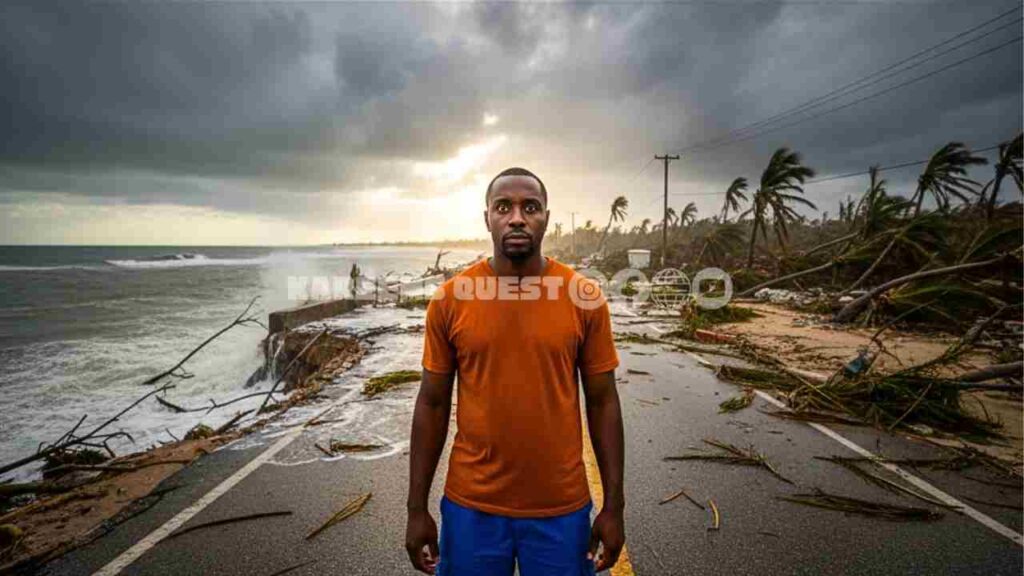
The passage of Category 5 Hurricane Melissa delivered a devastating blow to Jamaica’s infrastructure and economy, compelling the nation to confront the long-standing vulnerabilities within its disaster response framework. The scale of the destruction, particularly in coastal parishes like Westmoreland and the decimated resorts of Treasure Beach, has drawn stark comparisons to the severe impacts of previous weather events, including hurricanes Ivan and Gilbert.

Pre-Impact Measures and Evacuation Mandates
In the hours leading up to the Category 5 Hurricane’s landfall, the government implemented a series of preparatory measures designed to mitigate loss of life. These included the activation of the national shelter network and the issuing of mandatory evacuation orders for citizens residing in designated high-risk, flood-prone areas. Local news outlets, including The Gleaner and the Observer, provided real-time coverage of the orders, focusing on communities historically susceptible to storm surge and river overflow.
Despite clear warnings, international news organizations covering the event noted the common Caribbean challenge of resident reluctance to abandon homes, leaving many structures in precarious low-lying regions directly exposed to the high winds and coastal flooding. The damage toll to domestic houses, particularly those in informally settled areas near gullies and waterways, was extensive, representing a significant portion of the immediate post-disaster humanitarian crisis.
Infrastructure and Marooned Communities
The physical damage to the country’s arterial infrastructure proved immense. Heavy rainfall and wind shear compromised major thoroughfares nationwide, severely hindering initial relief efforts. Critical transport arteries were choked by debris and landslides, with sections of the famed route through Holland Bamboo, St. Elizabeth, experiencing severe compromise and closure, according to local reports.
The extensive road damage created a significant logistical challenge in the immediate aftermath, leaving several remote inland communities effectively marooned. The inability to access victims and distribute urgent supplies in the first 48 hours necessitated a concentrated effort involving engineering corps and heavy equipment to rapidly clear paths and restore rudimentary access for rescue teams.
Aid, Accountability, and the Future Framework
In the wake of the devastation, public attention quickly shifted to the efficiency of the national response, focusing on two key areas: the equitable distribution of aid and the accountability of members of parliament (MPs) in coordinating the local efforts within their constituencies. Concerns regarding resource disparity led to calls for a more transparent, centralized system for disaster relief.
Addressing the national discourse, Minister of Local Government and Community Development, Desmond McKenzie, disclosed the government’s commitment to a fundamental overhaul of the existing structure. During a tour of St. Elizabeth on November 1, McKenzie acknowledged the scale of the challenge and the urgent need for reform.
“One lesson Melissa has taught us is that there can be something greater than Melissa, worse than Melissa. So, it means that, now we have to take a look at our disaster apparatus. That is why the Prime Minister [Dr Andrew Holness] has done a review of the disaster structure of the country, and we’re going to be reshaping and remoulding it,” Mr. McKenzie stated, underscoring the urgency of sustained national recovery efforts.
The extensive destruction caused by Hurricane Melissa serves as a decisive trigger for a national restructuring. The government’s stated commitment to reviewing and restructuring the island’s disaster preparedness framework suggests an official understanding that the national response apparatus must evolve to meet the growing threat posed by major meteorological events.
To find out how you can help visit: https://supportjamaica.gov.jm/
What specific, actionable change do you believe should be prioritized in Jamaica’s restructured national disaster preparedness framework?
Share your thoughts in the comment section below.




It appears the government has misjudged the sentiments of its constituents. They are not concerned about future hurricanes but are seeking aid and reconstruction. Our frustration with the current preparation plans is difficult to put into words. It would be encouraging if governments actually fulfilled their commitments, just this once. Without the compassion of the global community, Jamaican entertainers, athletes, and local residents, many lives could have been lost.