
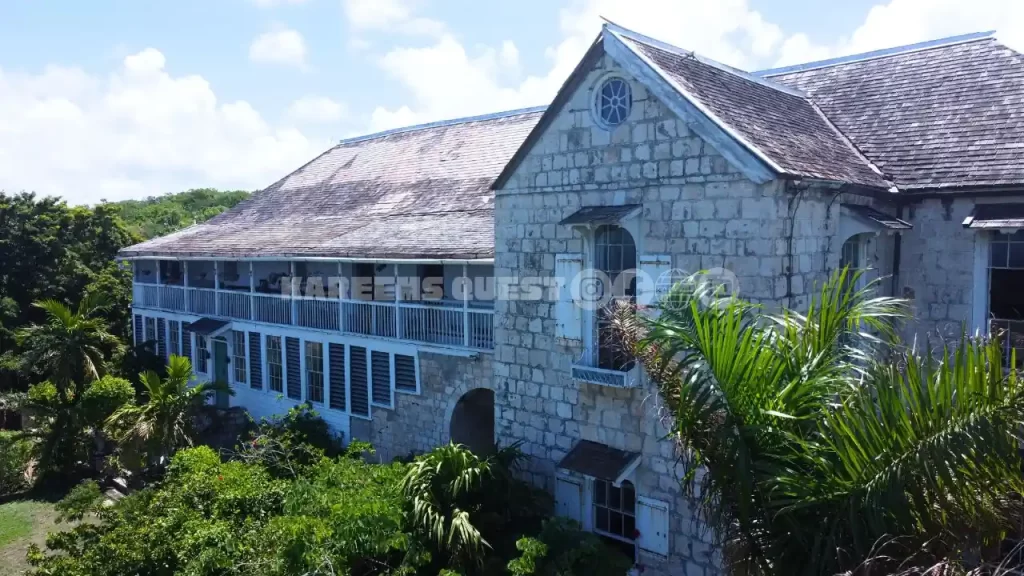
Finding it was easy enough; just off the main road, the famous Greenwood Plaza was a clear marker. From there, well-placed signs guided me, each one a promise of what lay ahead. I followed the path, pulling into a surprisingly spacious parking lot tucked at the back of the property. The entrance gate, a sturdy wrought iron affair, was locked, a small sign politely instructing guests to “Ring the Bell.” I did, and the chime resonated, a gentle invitation to step back in time.

The walkway to the main house was a tunnel of color and fragrance. Bougainvillea, in shades of fuchsia and crimson, cascaded over trellises, their petals a soft carpet underfoot. Lush foliage, thick and green, framed the path, providing a cool shade that was a welcome respite from the midday heat.
A House Untouched by Time

Greenwood Greathouse stands as a symbol of resilience. It’s one of the few properties that remained unharmed during the devastating Christmas Slave Rebellion in 1831, a stark contrast to the destruction that swept through so many other plantations. While the Morant Bay Rebellion of 1865 is often discussed, the other plantation rebellions played a significant role in shaping Jamaica’s landscape, and Greenwood’s survival through it is a truly remarkable feat.
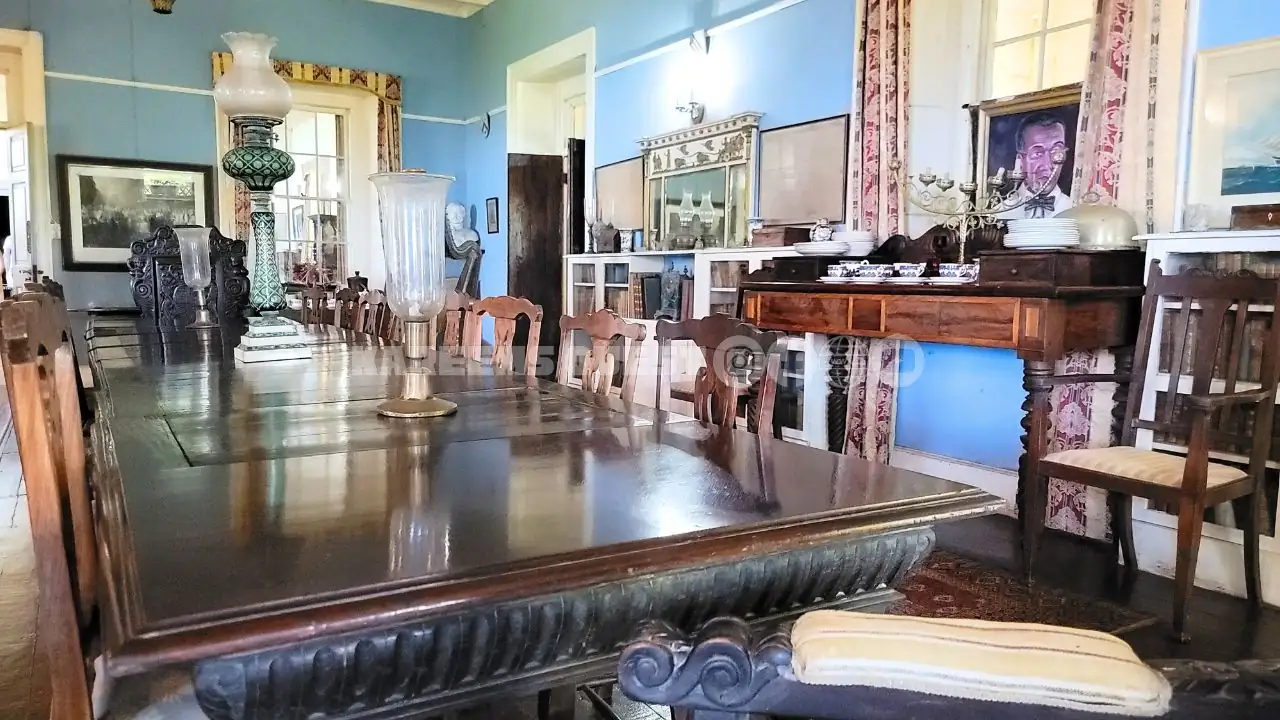
Stepping inside felt like crossing a threshold into another era. The air, cooler than outside, carried the faint, sweet scent of aged wood and old paper. The house itself is a treasure chest, holding the largest collection of antique furniture, rare musical instruments, and plantation library books on the island. My gaze drifted from a piano made for King Edward VII to a delicate 19th-century harp, its strings still seeming to hum with forgotten melodies. Antique polyphone music boxes, their intricate mechanisms hinting at bygone entertainment, sat alongside original Wedgwood china, gleaming softly in the diffused light. Everywhere I looked, historical family portraits and memorabilia offered glimpses into the lives of those who once lived here.
The Barrett Legacy and a New Chapter
The story of Greenwood begins with the Barrett family, who arrived in Jamaica in the 1660s. They built their immense fortune on sugar plantations and the labor of enslaved people. The house itself was constructed by Richard Barrett in the late 1700s, completed around 1800. For those with a literary bent, it’s a fascinating detail that the Barretts were cousins to the renowned English poet, Elizabeth Barrett Browning.
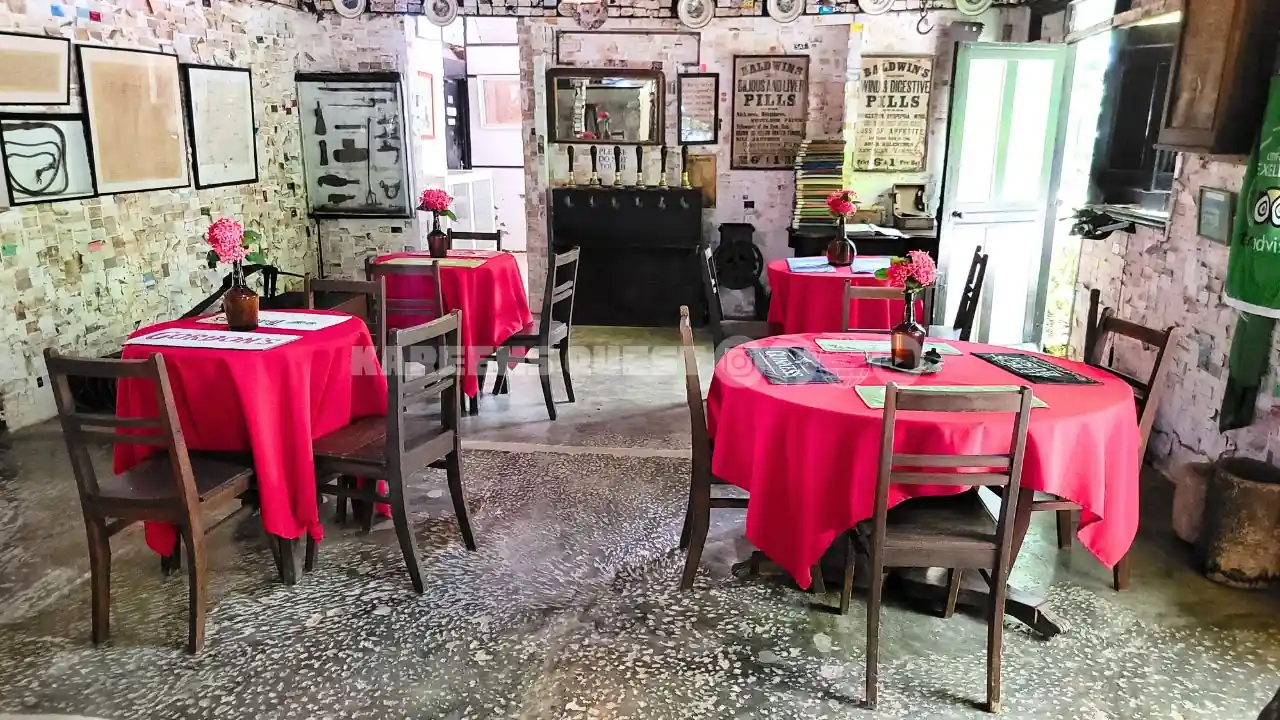
The tour moved from room to room, each one revealing more of the Barretts’ opulent lifestyle. The elegant Georgian style, with its sturdy stone and wood construction, was evident in every detail. From its perch high on a hill, the house offered sweeping, panoramic views of the Caribbean Sea – a constant, breathtaking backdrop to lives lived in such stark contrast.
And then, the conversation turned to the present. The guide spoke of the current owner, a Jamaican man. The irony wasn’t lost on me: a former slave plantation, now owned by a black man. It’s a powerful shift, a reclamation of space and narrative.
Visionary’s Return
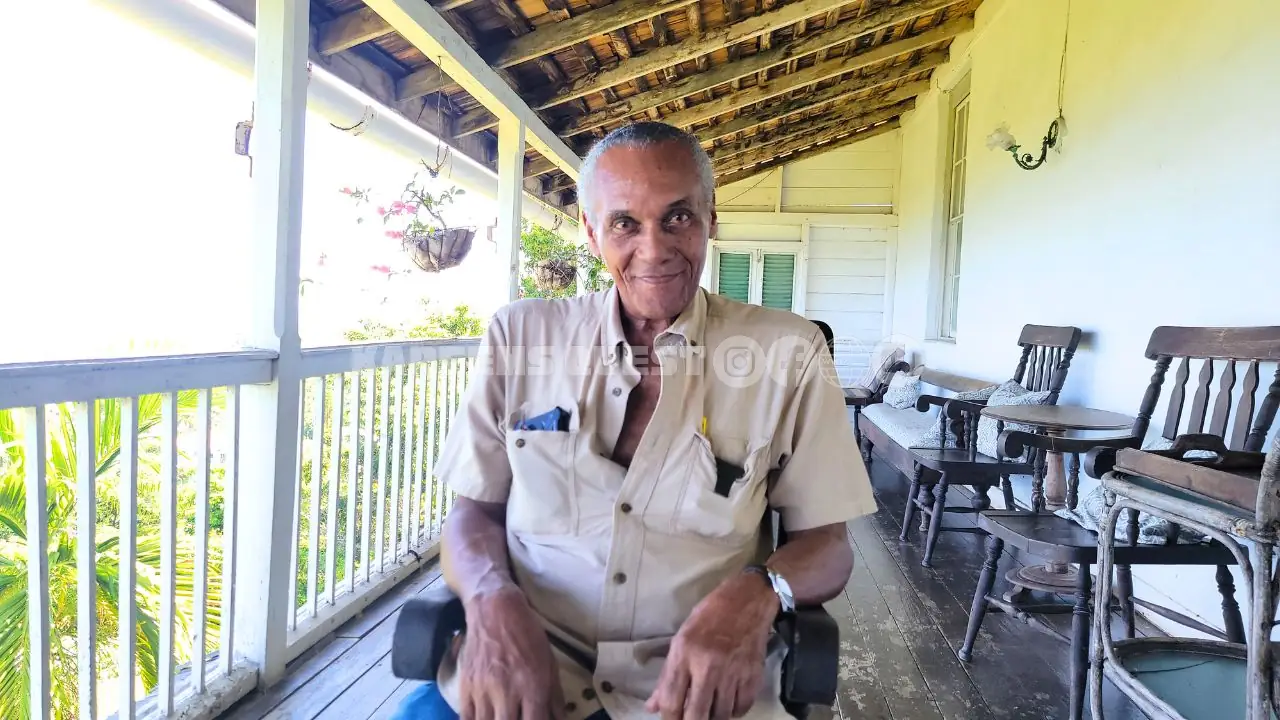
The current owner is Bob Betton, a Jamaican born in Kingston. His story, as told by the guide, felt intrinsically linked to the house’s enduring spirit. Betton, now in his 80s, still walks with an impressive confidence. I later had the chance to speak with him, and I couldn’t help but ask if he was athletic. “When I was younger,” he said with a proud smile, “I loved running, and I did the 100 and 200 meters.” He chuckled, recalling his youth in London during the Windrush era, boasting his athletic physique, often in tank tops, posing beside his Morgan convertible. “I always had big ambitions,” he told me, “and I always wanted to make something of myself.”
In 1975, Betton returned to Jamaica with his wife and they purchased Greenwood. He and his wife saw the property’s immense potential, especially with its extensive collection of artifacts. “There were some tenants living in one of the rooms at the time,” he explained, “but they didn’t really appreciate the significance of the items present. But I saw the big picture.”
He began the arduous task of transforming the house into a museum, offering tours to visitors. “At first, it was hard to get business partnerships to promote the place to others,” he admitted. “But once guests came to the property, they were all fascinated by it.” His passion for history extended beyond Greenwood’s original contents. As he and his wife traveled across Jamaica, they would often stop to collect discarded artifacts. “If my wife and I saw something,” he recounted, “we would stop and put it in the car.”
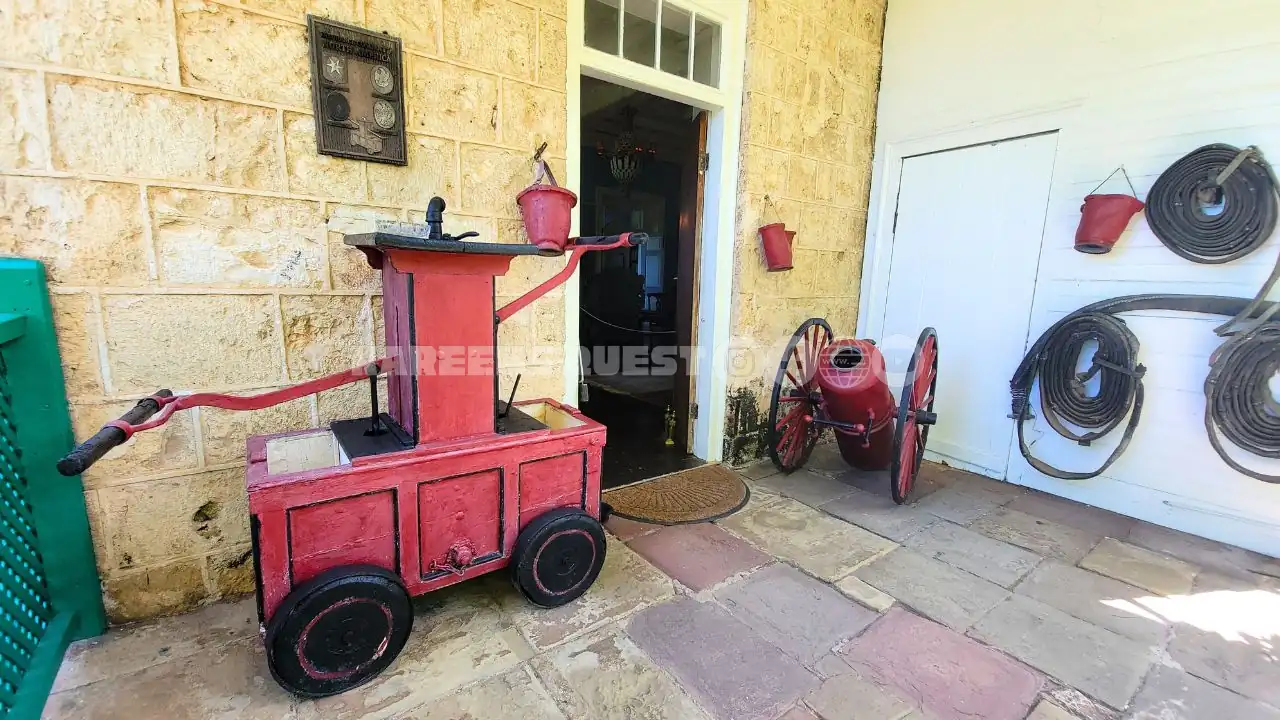
Today, the house truly takes people back in time. The extensive collection now includes four vintage coaches, a mobile water pump used by firemen in the early 1900s, and a fire hydrant from the same period. The entire tour, lasting about 45 minutes, is a journey through centuries.

On the day of my visit, a group of Polish tourists, fresh from a cruise ship docked in Trelawny, were also taking the tour. They had a translator, and their expressions, even through the language barrier, spoke of deep fascination with the rich history held within these walls. Seeing their engagement, their curiosity, underscored the universal appeal of Greenwood Greathouse. It’s a living archive, a place where the echoes of the past meet the aspirations of the present, all under the careful stewardship of a man who saw its worth.
Ready to Go Beyond the Quest?

You’ve followed Kareem’s Quest, seen the photos, and now you’re feeling the call of the island. It’s time to stop scrolling and start planning your personal Jamaican adventure!
We created two definitive e-magazines to serve as your ultimate local guide, letting you build the perfect itinerary:
Get the Ultimate Jamaica Tour Guide Booklet. This is your blueprint for maximizing culture, cuisine, and famous landmarks. Use it to plan itineraries and visit the best places across the island.
For the Adrenaline Seeker: Grab the Jamaica Adventure Lovers Booklet. Packed with expert advice on thrilling river excursions, challenging mountain trails, and secluded off-road destinations.