
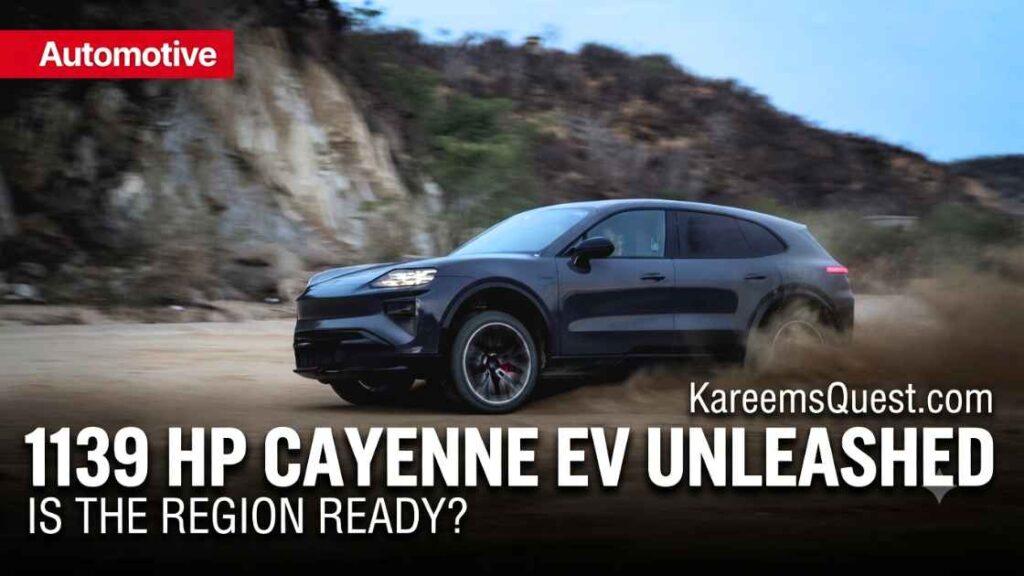
Kareem LaTouche, Automotive Journalist
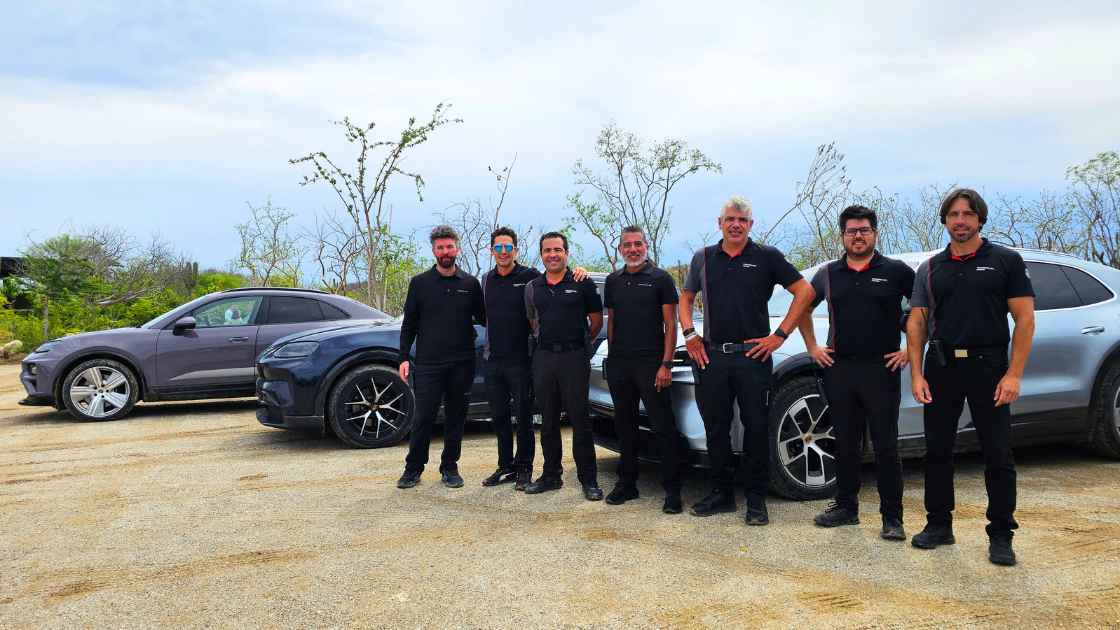
Automotive journalists from across the Caribbean and Latin America were invited to test out the new Cayenne EV, experiencing firsthand how Porsche adapts its storied engineering to the electric age.
From Financial Salvation to Electric Evolution
To understand the weight of this release, one must look back. In the late 1990s, Porsche faced precarious financial footing. Despite the introduction of mobility options like the Boxster, overall sales remained low, necessitating a radical shift. The debut of the original Cayenne changed the trajectory of the brand forever, proving that a sports car manufacturer could build a practical utility vehicle without losing its soul. Now, the brand is making another bold move with the EV line. Following the 2019 rollout of the Taycan, the transition of the Cayenne to a pure electric architecture marks a monumental milestone. Today, the Cayenne EV enters a market that is now flooded with legacy brands like BMW and Mercedes-Benz, alongside aggressive Chinese automakers such as BYD and GWM. Yet, Porsche hangs its hat on superior engineering and an outstanding track record in the auto world.
Arrival and Dramatic Unveiling
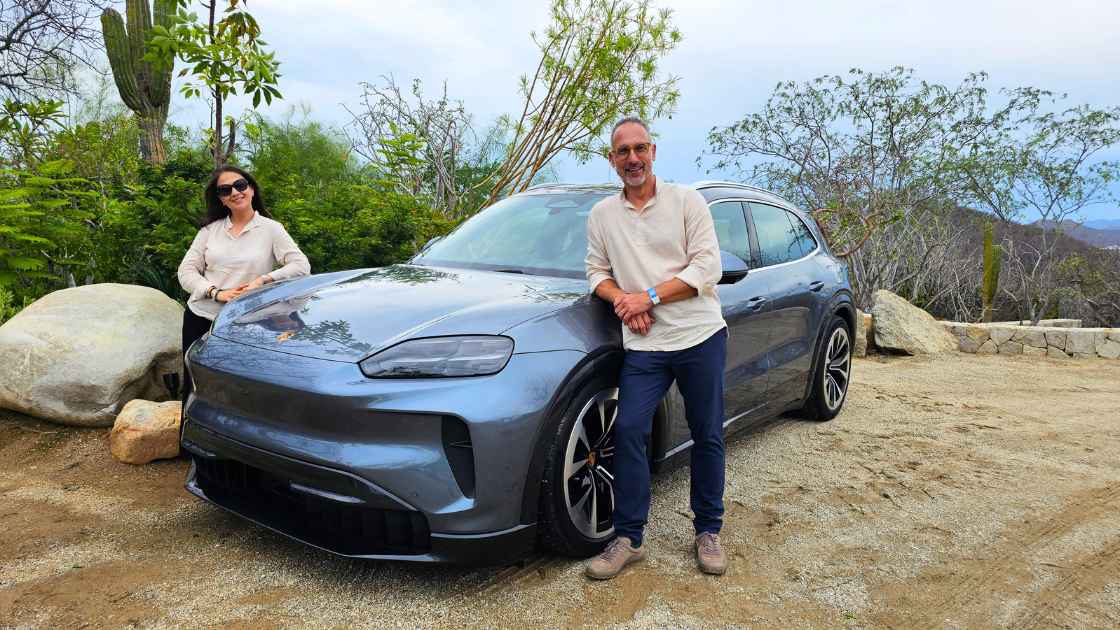
The official launch was held at Wild Canyon, decked out with light sticks, a DJ, and lights projected onto a boulder rock which said ‘Porsche Cayenne EV’. Guests sat on a rotating podium as the new Cayenne did donuts around the venue. This is how the Turbo version made its grand entrance boasting 1156 hp. Thomas Illner, President and CEO of Porsche Latin America, noted: “When designing this vehicle we did a lot of research where our customers were concerned. So it handles how you expect a Porsche to handle, where agility, speed and comfort is concerned. And for this reason we are not afraid of competition, because we know the quality vehicles we produce.”
Exterior Styling and Aerodynamic Engineering
Visually, the exterior evolves past traditions. The front fascia adopts sharper matrix LED light units and cleaner aerodynamic channels that direct airflow around the wheel arches, minimizing drag. Sculpted side profiling accentuates its athletic stance while retaining the unmistakable silhouette of its combustion-powered predecessors. Every curve is optimized for range efficiency without compromising road presence.
Cockpit Ergonomics and Tailored Luxury
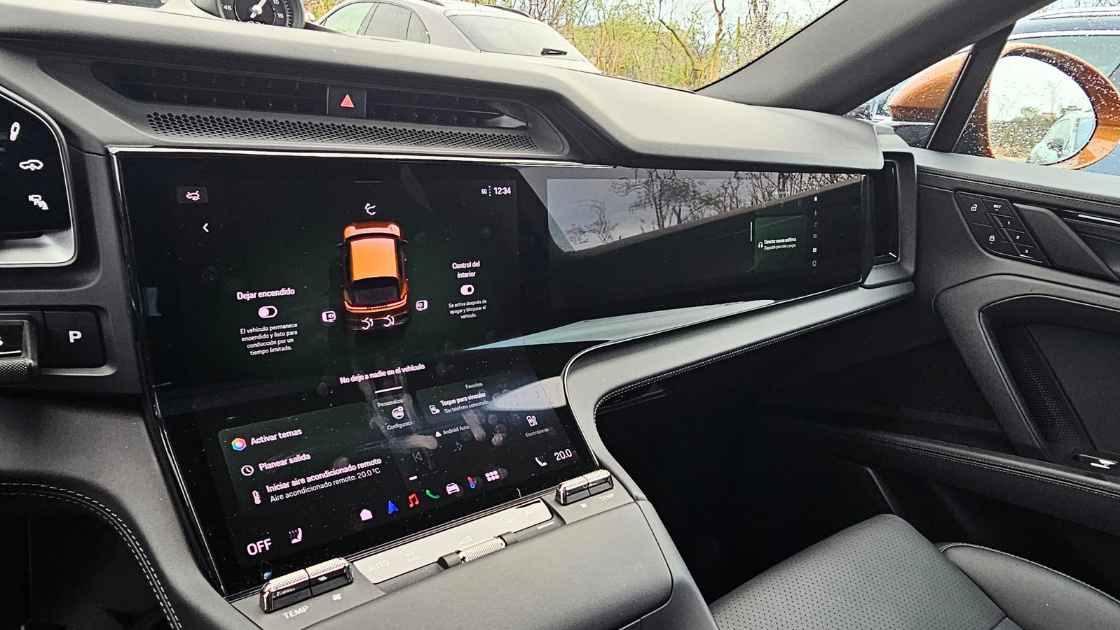
Inside, the cabin balances digital integration with tactile functionality. Up front, occupants benefit from four USB ports and dual wireless charging pads, complemented by two additional USB ports in the rear. Storage is remarkably versatile, featuring a retractable area that allows for multiple configurations, including removable cup holders to expand utility and an elastic band on the side to keep things secure. Because this is a performance-oriented vehicle at its core, bucket seats are fitted with a memory option. Notably, the interior door lever now pulls down as opposed to out. Overhead, a panoramic sunroof floods the cabin with natural light, though travellers in tropical climates would do well to select the option that allows the roof to adopt a darker tint. During the presentation, we were told that there are up to 1.5 million configurations that can be done to personalise the Cayenne.
Powertrain Performance and Dynamic Handling
The vehicle was put through its paces along a scenic route in Baja, testing its suspension and responsiveness across varied asphalt and gravel surfaces. There is adaptive suspension which makes it handle confidently over any terrain. The air suspension can also be adjusted for height. Because all the batteries are at the base it further enhances the stability of the vehicle giving it almost no body roll. Whether navigating tight hairpins or long sweeping straights, the speed dynamics mirror the legacy of internal combustion variants, delivering relentless acceleration and precise steering feedback.
The evolution of the Cayenne into an electric architecture demonstrates that high performance and sustainability can coexist harmoniously. By marrying decades of chassis tuning expertise with state-of-the-art propulsion, Porsche has crafted an electric SUV that respects its history while setting a benchmark for the future.