
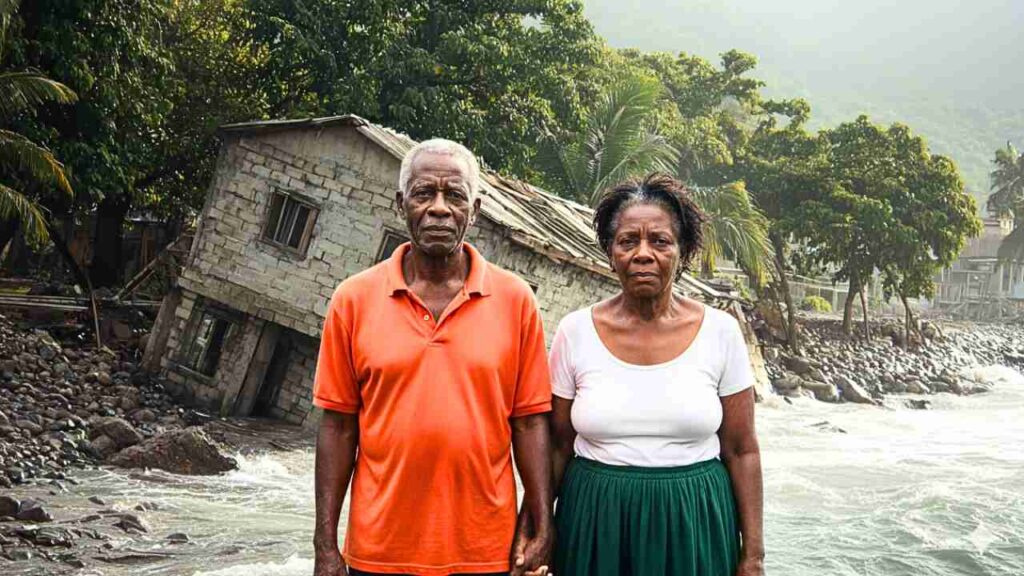
The time for preparation is now over. Major Hurricane Melissa, a monster storm that has undergone a period of extreme rapid intensification, is poised to bring catastrophic, life-threatening conditions to Jamaica. Official forecasts from the Meteorological Service of Jamaica and the National Hurricane Center indicate a direct or near-direct hit by a Category 5 hurricane. This system is a historic threat due to its immense strength and uncommonly slow movement.
All citizens must treat this as the highest-level threat. The window to secure life and property will close completely by late tonight.
Full Video Podcast discussion of this topic at the end of the article
Melissa’s Trajectory
As of Monday morning, Hurricane Melissa is a powerful Category 5 hurricane with maximum sustained winds of 140 mph. Its core is situated just south of the island and is inching westward at a dangerously slow pace of around 5 mph. This slow crawl is the core danger.
Evan Thompson, Director of the Meteorological Service of Jamaica, warned that this unusual speed is the primary concern: “It’s going to sit there pouring water while it’s barely moving. And that is a significant challenge that we have to be aware of. It’s going to cause significant, widespread, catastrophic, life-threatening floods, as long as what is predicted does take place.”
Landfall is now projected to occur along the southern coast of Jamaica, with the worst window for impact running from Monday night into Tuesday. This prolonged exposure means many hours of hurricane-force winds and a deluge of rainfall that will test the island’s resilience to its limit.

Who Is Most At Risk?
Central and eastern parishes face the most extreme combination of hazards:
- Destructive Wind and Storm Surge: The entire southeast coast—including St. Elizabeth, Kingston, St. Andrew, St. Thomas, and southeast St. Catherine—will endure the strongest winds and a life-threatening storm surge of up to 7–11 feet above ground level. This puts low-lying coastal communities at extreme risk.
- Extreme Flooding and Landslides: The mountains and central parishes, notably Portland, St. Mary slopes, the Blue Mountains, and sections of Clarendon, are forecast to receive a deluge of 15–30 inches of rain. The already saturated ground dramatically increases the risk of numerous, deadly landslides and flash flooding.
Evacuations, Closures, and Price Gouging Crackdown
The government has mobilized an all-of-nation response, focusing on the protection of human life.
Critical Evacuations and Shelter Readiness
The Office of Disaster Preparedness and Emergency Management (ODPEM) has confirmed that its islandwide network of 881 shelters is on standby for full activation. Evacuation is underway for flood-prone and low-lying areas, including infamous locations like Old Harbour Bay, Rocky Point (Clarendon), and Port Royal.
Desmond McKenzie, Minister of Local Government and Community Development, issued a direct plea for cooperation: “I’m making a special appeal to the people in Port Royal, if we are impacted by this event, it is going to be important that the community of Port Royal make arrangements when we provide the requisite transportation for them to be relocated to shelters, that they comply.”
Airport Shut Down
The Norman Manley International Airport (NMIA) in Kingston has advised that it will be temporarily closed as of, Saturday, October 25, at 9:00 PM following the departure of its final scheduled flight. The decision reflects the grave threat posed by the imminent Category 4 winds.
Zero Tolerance for Exploitation
To protect citizens during this crisis, the Prime Minister has enacted a Trade Order to prohibit price increases on essential goods, which include food, water, medical supplies, and building materials.
Prime Minister Dr. Andrew Holness: “There will be zero tolerance for price gouging. The Trade Order sends a clear message that no one should profit from a potential disaster. We are taking every precaution to ensure that preparedness measures are in place and that citizens are not subject to exploitation during this time.”
Day-by-Day Survival:
This is what Jamaica can expect from Saturday through the weekend and into the new week:
Saturday, Oct 25 — Day One: The weather may still appear deceptively fine. Do not be fooled. Use this final day to finish all preparation: secure roofs and yards, charge all devices, top up water and fuel, and move people out of surge zones, river valleys, and known slide areas. The first outer rain bands may brush the southeast coast late tonight.
Sunday, Oct 26 — Conditions Ramp Up (SE first): The system strengthens offshore. Communities in Clarendon, Kingston/St Andrew, St Thomas, and southeast St Catherine will see squalls increasing, coastal water rising, and dangerous surf building. The highlands will see flooding and landslide risk begin Sunday night. The West and Northwest will be breezy with passing squalls.
Monday, Oct 27 — Core Arrives from the South: Dangerous winds build through the day, spreading north. The south and southeast coast are at highest risk for damaging wind and coastal inundation. Expect island-wide heavy rain, increasing flooding, and the start of widespread power and cell outages.
Monday Night → Tuesday, Oct 28 — Peak Hazard Window: This is the long period of hurricane-force winds and extreme rain, especially across central and eastern Jamaica. Expect life-threatening flooding and landslides. Roads will be blocked; do not travel. Stay in your interior safe room. Expect communications to drop entirely.
Tuesday, Oct 28 (Day) — Slow Improvement West; East Still Under It: Very heavy rain may continue over eastern and central parishes. Wait for the official all-clear. The West and Northwest will see squalls slowly ease, but debris, downed power lines, and high water remain extremely dangerous.
Wednesday, Oct 29 — Pulls Away: Rain bands taper off; however, floodwater may remain high. Do not begin checking outside until officials advise that it is safe to do so.
Thursday–Friday, Oct 30–31 — Early Recovery: The immense task of cleanup and restoration begins. Boil water if advised. Watch for delayed slides and contaminated floodwater. Expect power and cell outages to persist for hours to days.
Critical Final Checklist
At KareemsQuest.com, our staff is following this critical plan—we urge you to do the same. This storm rivals the intensity of past systems like Hurricane Gilbert (1988) and Hurricane Ivan (2004)—we must be prepared for the worst.
What We’re Doing:
- Leaving any surge, river, or slide zone today.
- Picking an interior, windowless safe room; moving mattresses, helmets, sturdy shoes, first aid, lights, power banks, and a battery-operated radio inside.
- Storing water: 3–5+ days per person; filling tubs and buckets for flushing.
- Charging phones and planning to use airplane mode to save battery.
- Packing documents, meds, and cash and keeping them waterproofed.
- Parking vehicles on high ground, away from trees.
- Setting two daily check-in times with an out-of-country contact (e.g., 8 am and 6 pm). If you don’t hear from us during the peak period, assume outages.
If the roof fails: Move to the lowest, most interior room or hallway. Use mattresses or helmets for head protection. Avoid flood-prone rooms and any space with glass.
DO NOT:
- Go to the shoreline to “have a look.”
- Drive through water or over flooded bridges.
- Run generators indoors or near windows.
Key Uncertainties: Small track shifts change who gets the worst wind and surge. Prepare as if it’s your parish. The storm can intensify just before land. Plan for one category worse than you hope. It’s moving slowly. Expect many hours of hazardous weather.
Stay safe, Jamaica. Follow the official advice.